24/7 Emergency Line Open
Claremont, CA · Drain cleaning and clogs
Claremont Drain Cleaning for Slow Sinks, Clogged Tubs and Backed-Up Lines
The kitchen sink empties a little slower each week, then one night the water stands there. Or the tub gurgles when the washer drains. A clog tells you where it lives by which fixtures complain, and a plumber serving your area reads those clues before choosing between a cable, a jetter or a camera.
Call to describe what is backing up and where. Dispatch finds a plumber for your address, and the plumber clears the line and checks that it runs freely before leaving.
- Licensed and insured plumbers
- Same-day service when available
- 24/7 emergency dispatch
One slow drain or the whole house? Start with what is affected
The pattern of symptoms narrows the blockage before any tool comes out. Use the points below to describe the problem on the phone.
- One fixture slow, the rest normal. The blockage sits in that fixture's trap or short branch, and a cable usually reaches it.
- Two fixtures on the same floor slow together. A shared branch line is partly blocked, often with grease or hair further down.
- Tub or shower gurgles when the toilet flushes or the washer drains. The main line is restricted and air and water are moving the wrong way.
- Water rises in the lowest drain when you use an upstairs fixture. The main line is blocked, and every fixture above it is at risk.
- A sewer smell with slow drains. A dry trap, a partial blockage or a vent problem can cause it, and the plumber checks all three.
If more than one fixture is affected, stop using water in the house until the plumber says it is safe. Each flush and each load of laundry adds water to a line that has nowhere to go.
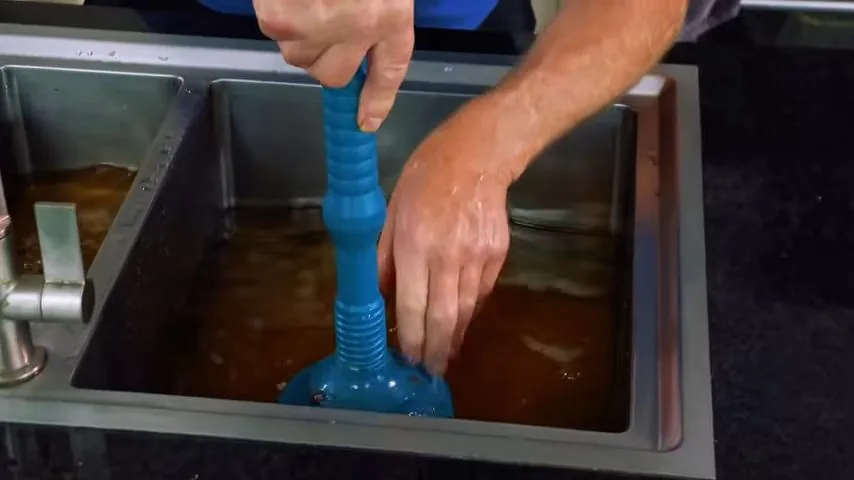
Kitchen sink, toilet and tub: what usually clogs each one
Kitchen sink
Cooking grease cools inside the pipe and coats the wall until a food scrap catches on it. The City of Claremont's sewer information page says blockages from grease and roots in older pipes can be costly for homeowners, and the kitchen is where the grease enters. A disposal that leaves a half-ground mix of peels and coffee grounds in the trap makes the same problem faster.
Toilet
Most toilet clogs are paper or wipes. The same city page notes that wipes labeled flushable do not break down in the pipe, so they collect at bends and catch more paper behind them. A plunger clears a simple clog. A toilet that keeps clogging, or one that backs up the tub, points past the bowl to the branch line or the main.
Tub and shower
Hair and soap scum build in the trap and the first stretch of pipe below it. A drain that slows over months is usually this. Pulling the stopper and cleaning it fixes some of them, and a cable fixes most of the rest.
Drain backing up right now?
Call dispatch, say which fixtures are affected and learn what to avoid running while a plumber is lined up for your address.
Snaking or hydro jetting: what each one clears
A cable bores through a clog, and a jetter scours the pipe wall. The plumber chooses from what the symptoms and the first look at the line suggest, and may use both on the same visit.
| Compared | Snaking (cable or auger) | Hydro jetting |
|---|---|---|
| What it does | Pushes a rotating cable through the clog and breaks it up or hooks it | Sends high-pressure water through a nozzle that scours the pipe wall |
| Good for | Single fixture clogs, hair, paper and soft blockages | Grease buildup, heavy scale and repeat clogs in a main line |
| Leaves behind | A clear opening through the clog, with a film on the wall | A cleaned pipe wall along the length the jet travels |
| Limits | May not remove grease along the wall | Needs a sound pipe, so it follows a camera check on old or damaged lines |
When the main line backs up
When the tub fills as the washer drains, or a floor drain wells up, the main line is blocked. That is the one drain problem that should not wait for a convenient morning, because every fixture above it is a place for sewage to surface. Call dispatch right away. The plumber opens the cleanout, clears the line and, if the blockage came back from the same spot, runs a camera to look for roots, a belly or a break.
Main line blocked?
Call now and reach dispatch for a plumber serving your area. Same-day service is offered when available.
Camera inspection and drain pipe repair
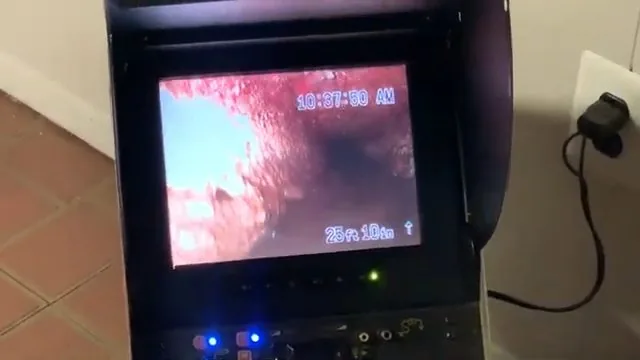
A camera on a flexible cable shows what a cable cannot: roots entering a joint, a pipe that has sagged, a crack or a scaled interior. The same camera spots a drain line that is leaking at a joint. A repeat clog is the usual reason to look, and so is a drain that smells when nothing is blocked. The plumber can show the footage and mark where the problem sits, which matters when the next step is a repair instead of another cleaning.
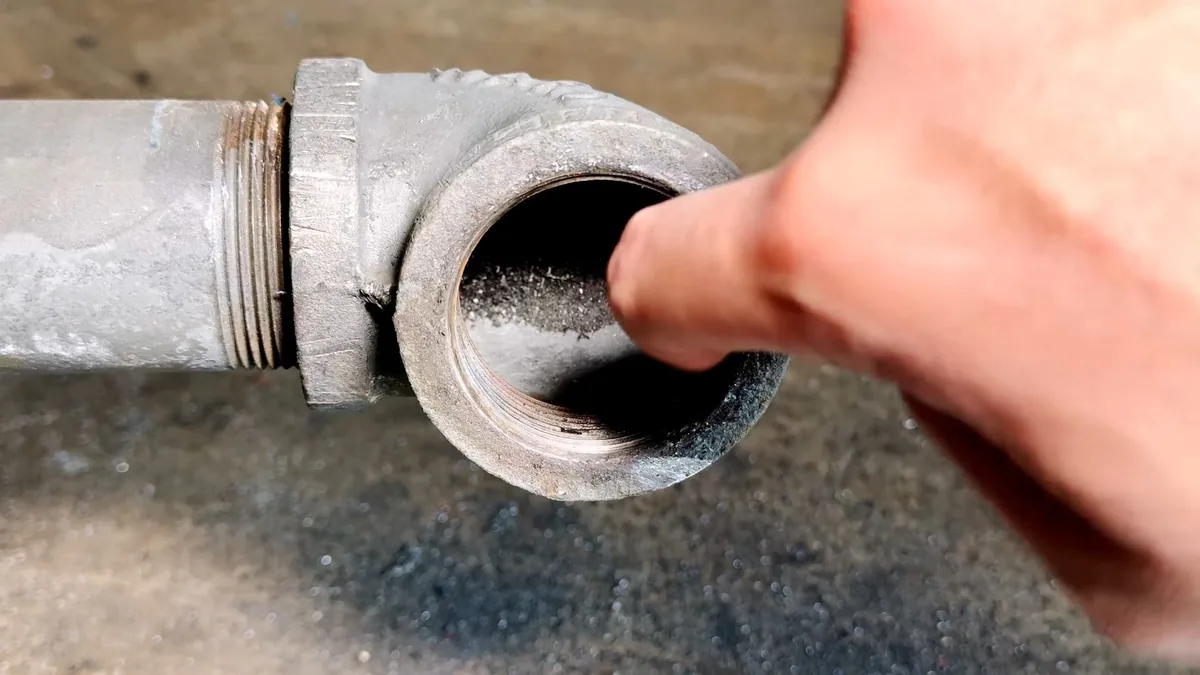
Census-based figures put the median Claremont house at about 1966 construction, per this neighborhood profile, and houses from that decade can still have cast iron in their drain lines. Cast iron scales inside and can crack or corrode through, so a camera look tells you whether the pipe needs cleaning or replacing. Replacing a section inside the building is drain pipe repair. Past the building wall, the line to the city main is handled under sewer line repair.
Tree roots, floor drain backups and persistent odors are found the same way. Roots enter through joints, a floor drain that wells up usually shares the main line, and an odor with no clog can come from a dry trap or a cracked section that the camera will show.
Where drain cleaning ends and other work begins
- Sprinkler, irrigation and yard drainage work is a separate trade, and the plumber will point you to a landscape or irrigation contractor.
- Kitchen and grease line problems at restaurants and shops are handled as commercial plumbing, where the equipment and the codes differ.
- A blockage that returns after cleaning, roots in the main, or a collapsed section is a sewer repair question for sewer line replacement.
- Water that has already reached floors or walls needs drying, which water removal and drying covers.
If you are unsure which category your problem falls in, describe the symptoms to dispatch. One slow fixture stays with drain cleaning. Several fixtures backing up together usually point to the main line, and the plumber will say when the job belongs on the sewer side of the line instead.
Details that help a drain visit go smoothly
Should I use a chemical drain opener first?
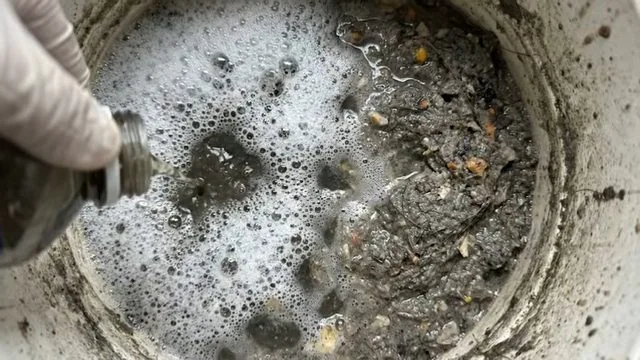
Harsh openers can sit in a standing line and irritate skin and eyes, and the plumber may have to work in the same water. If you have already used one, tell the plumber which product and when, so the right gloves and eye protection are on.
What should I tell dispatch about the clog?
Say which fixtures are slow or backing up, when it started, whether the washer or dishwasher was running, and whether this has happened before. A repeat clog in the same spot leads to a camera check instead of a quick clear.
Will the plumber need access to a cleanout?
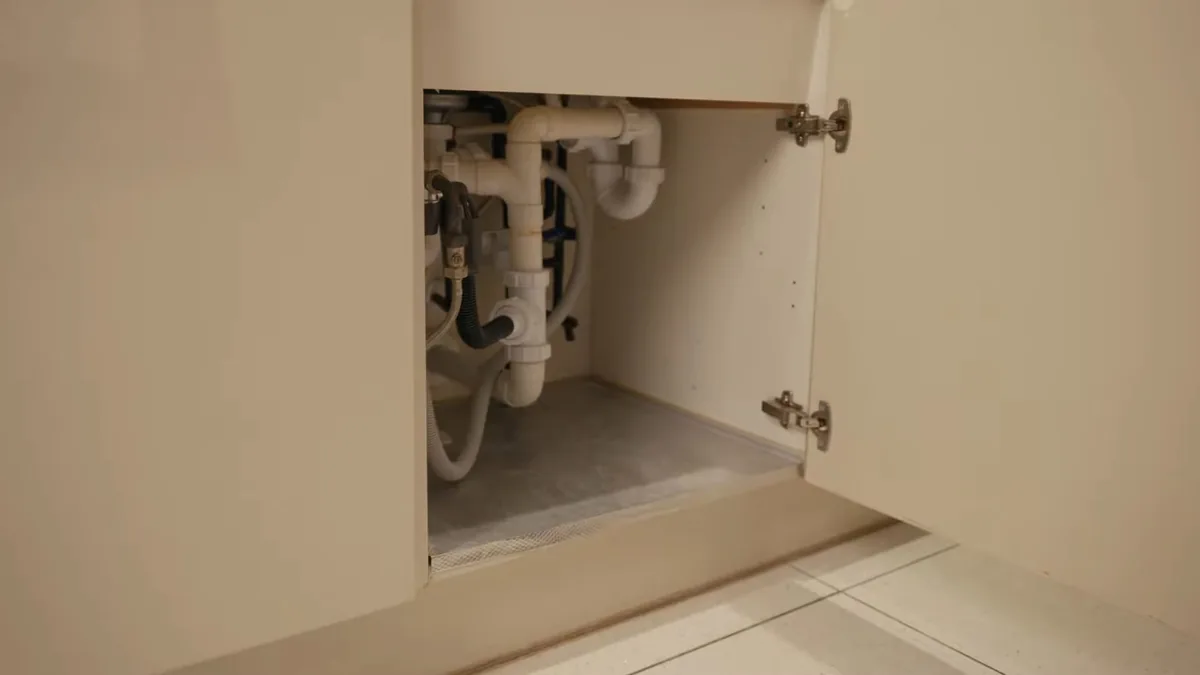
Usually, for the main line. Clear the area around it if you know where it is, and tell the plumber if the cap is stuck or buried. Without one, the work may start through a toilet or a roof vent.
How do I keep the drains clear afterward?
Keep grease out of the sink, wipe pans with a paper towel before washing, use a drain strainer in the tub, and put wipes in the trash even when the package says flushable.
How does the plumber pick between a cable, a jetter and a camera?
The symptoms and the first look at the line decide it. A single slow fixture usually gets a cable, grease in a main line gets a jetter, and a repeat clog or an old pipe gets a camera first. Ask for the method and the reason when you call.
Drain trouble in Claremont?
Call now and reach dispatch for a licensed and insured plumber serving your area. Same-day service is offered when available.
- Licensed and insured plumbers
- Same-day service when available
- 24/7 emergency dispatch