
24/7 Emergency Line Open
Claremont, CA · Slab leak detection and repair
Claremont Slab Leak Repair: Locate the Line, Then Choose the Fix
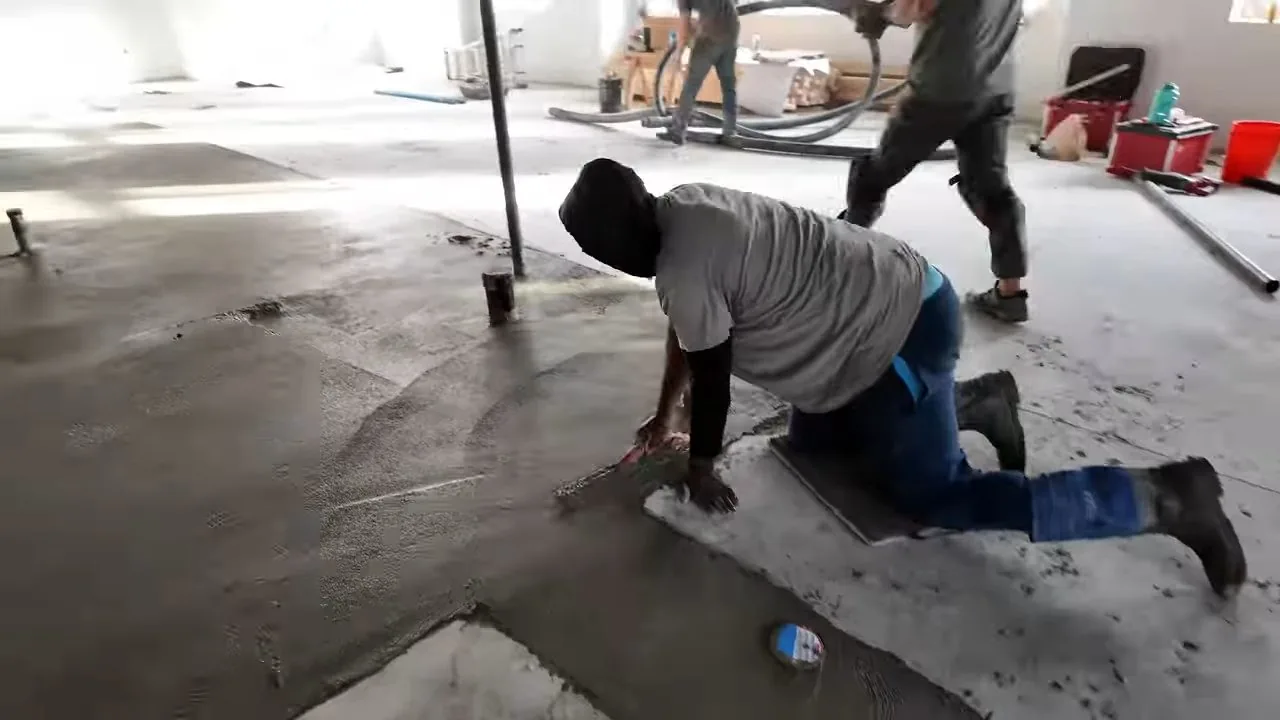
A floor that feels warm underfoot, the sound of running water in a silent house, or damp along the edge of the garage slab can all mean a pressurized line is leaking under concrete. Left alone, the water keeps working on the soil and the flooring above it.
The plumber who comes out confirms the leak with the meter, pins down where the pipe is losing water and lays out the repair options before anyone cuts into a floor. Call dispatch, day or night, and describe what you are seeing.
- Licensed and insured plumbers
- Same-day service when available
- 24/7 emergency dispatch
Confirm what you have before you assume a slab leak
Not every Claremont house sits on a concrete slab, and a leak that shows at the floor is not always in a pipe under it. The first job is to find out what the house is built on and where the water is really coming from. A raised foundation shows vents along the base of the wall and an access hatch to a crawl space. A slab home has concrete meeting the stucco at ground level. The plumber will confirm it on site rather than assume it, because the repair options differ.
Three other sources look like a slab leak at first glance:
- A leaking hot water line that runs from the water heater and enters the floor, which shows up as a warm patch and a heater that never seems to rest.
- Groundwater pushing up from below. In April 2023 groundwater seeped into homes in the Stone Canyon area that Claremont shares with La Verne, as the Claremont Courier reported, and no pipe was involved.
- A drain line under the floor, where the water is wastewater rather than supply water and usually smells of it.
The meter test settles the first question. If the meter keeps moving with every fixture off, a pressurized line is losing water. The steps are described under leak detection, and the result helps dispatch tell a slab leak from groundwater.
Early signs of a slab leak
- A warm or hot spot on tile, wood or carpet that is not near a heating source
- The sound of running water at night, with every tap closed
- A water bill that climbs with no change in use
- Floor covering that lifts, buckles or feels damp at one spot
- Water at the edge of the garage or patio slab, or along a baseboard
- Hot water that takes longer to arrive, or a heater that runs far more than before
- A musty smell from carpet or from a closet that shares the wall
Floor warm or meter running?
Call dispatch, describe what the floor and the meter are doing, and get a plumber lined up for your address.
Detection: pinpointing the line before any concrete is cut
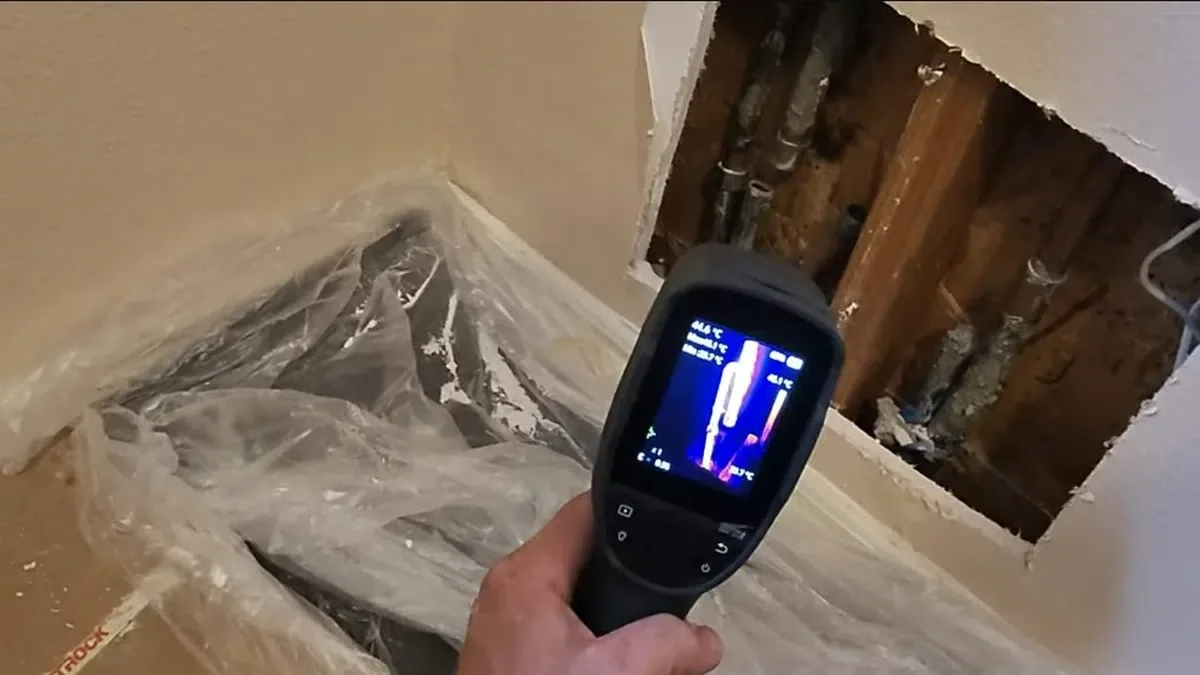
Detection decides how much of the floor has to be opened, so it earns the time it takes. The plumber isolates the hot and cold lines to learn which one is leaking, then listens along the floor with sensitive acoustic gear, and adds thermal imaging where a hot line is suspected. When two methods agree on the same spot, the mark goes on the floor, and the plan is built around that location.
If the readings point to a leak elsewhere in the house, such as a wall or the ceiling, the plumber moves on to finding a hidden leak in those places, and nothing about the first visit is wasted.
Spot repair, reroute or lining: how the options compare
There is more than one way to fix a leak under concrete, and the right one depends on the pipe, the layout and how much of the house is in the way. Ask the plumber to price and describe each option that fits in writing before you choose.
| Option | What it involves | Fits when | Trade-off |
|---|---|---|---|
| Spot repair through the slab | Cut or tunnel to the leak and replace the damaged section | The leak is in one spot and the rest of the line is sound | Flooring and concrete over the repair are opened and patched |
| Reroute the line | Abandon the leaking run and install new pipe through the walls, attic or ceiling | The line has failed in more than one place, or the slab is hard to reach | Wall openings and patching, and a new pipe path through the house |
| Epoxy lining | Coat the inside of the existing pipe to seal it | The pipe is in a condition the plumber judges suitable, and access is available at both ends | Not suited to every failure, and a split or broken joint may rule it out |
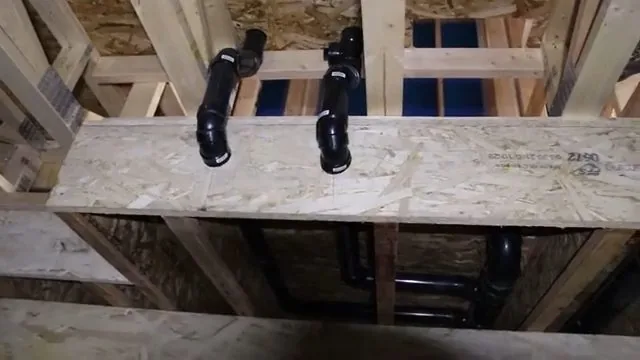
Reroutes overlap with the pipe repair work done in older houses, so the plumber may suggest it when the same line has already leaked before. Copper, galvanized steel and plastic supply lines all turn up in houses of different eras, so nobody can name the pipe in your slab from the street. Treat any claim about what is under your concrete as unconfirmed until the plumber has seen it.
What a slab leak does to the concrete and soil
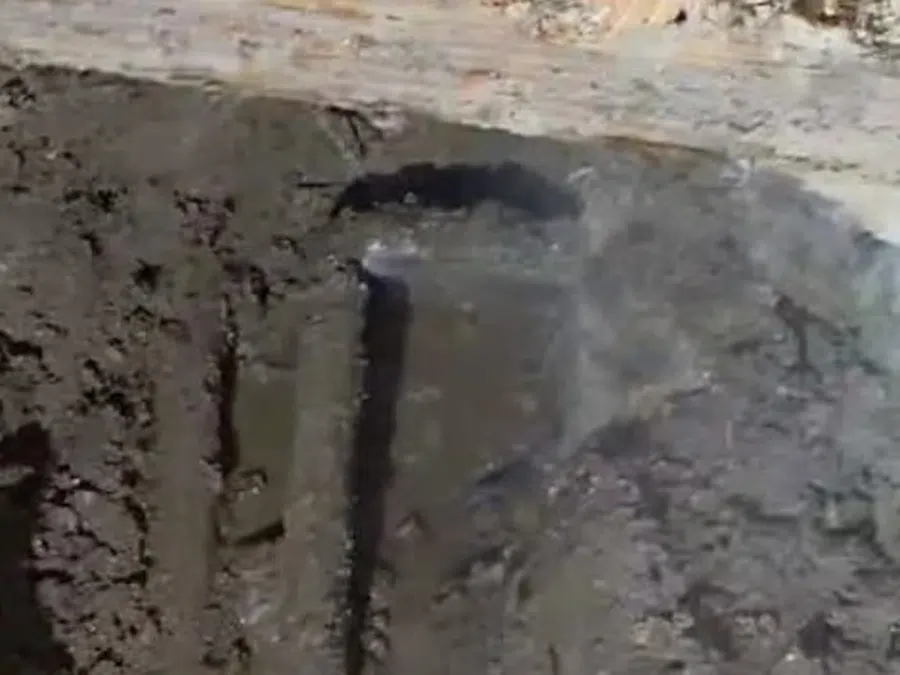
Water that escapes under a slab can saturate the soil beneath it and, over time, soften or wash out the support under the concrete. A slab that has been wet for a long period may crack or move, and flooring above it can swell. A plumber stops the water and repairs the pipe. Whether the floor or foundation has moved is a question for a structural professional, and the plumber will say so if cracks or uneven floors point that way. Mention new cracks in tile or drywall near the leak, doors that have started to stick and gaps opening at baseboards, since those are the details a structural professional asks about.
Once the line is repaired, wet carpet, pad and baseboards are dried before mold starts, and drying out the damage handles that step with moisture readings.
What happens on the visit, step by step
- Stop the loss. The plumber closes the main valve if water is escaping and checks the meter to confirm.
- Test the lines. Hot and cold are isolated separately, so the leaking line is identified.
- Pinpoint the spot. Acoustic and thermal tools locate the leak, and the location is marked.
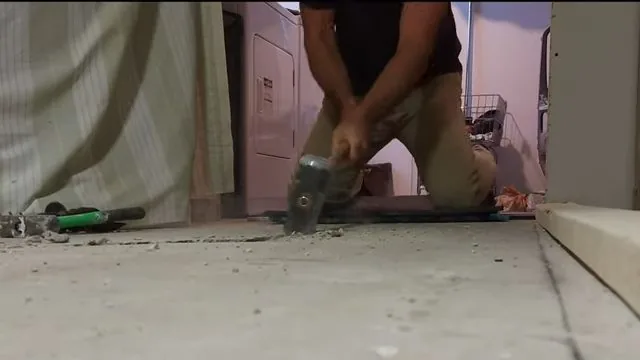
- Explain the options. Spot repair, reroute and lining are laid out with what each opens, and you decide.
- Repair and test. The line is repaired or replaced, then pressure tested before anything is closed back up.
A reroute or a floor opening may need a permit. Find out which of you applies for it, and call the Building Division at (909) 399-5460 if you want to hear Claremont's requirements from the source.
Water under the floor?
Call dispatch now and ask for a plumber serving your address, with same-day visits offered when available.
Practical questions about slab leaks
Does a slab leak always mean tearing up the floor?
No. A reroute through walls or the attic avoids the slab, and lining avoids digging when the pipe suits it. Spot repair does open the floor. The plumber explains which fits, since the location of the leak and the layout of the house decide it.
Will my insurer care how the leak is documented?
It may. Ask the insurer what it wants before work begins, and keep the plumber's written finding of where the leak was, the date, and photos of any damage. Policies differ, so the insurer, not the plumber, answers what is covered.
Can I use water in the house while waiting?
Only if the leaking line is isolated. With a confirmed leak on one line, the plumber may keep the other available. Until then, close the main valve and keep use to the minimum.
How is a slab leak different from a general leak?
The pipe is under concrete, so finding it takes acoustic and thermal methods, and repair means choosing among spot repair, reroute and lining. A leak in an accessible wall or ceiling is simpler.
What if the problem is not in the pipe?
The plumber says so after the tests. Groundwater and surface water are not plumbing repairs, and the readings from the visit show that the pipes are holding pressure.
Slab leak suspected in Claremont?
Call now and reach dispatch for a licensed and insured plumber serving your area. Same-day service is offered when available.
- Licensed and insured plumbers
- Same-day service when available
- 24/7 emergency dispatch