
24/7 Emergency Line Open
Claremont, CA · Water damage restoration
Emergency Water Damage Restoration in Claremont: Water Removal, Drying and Mold Testing
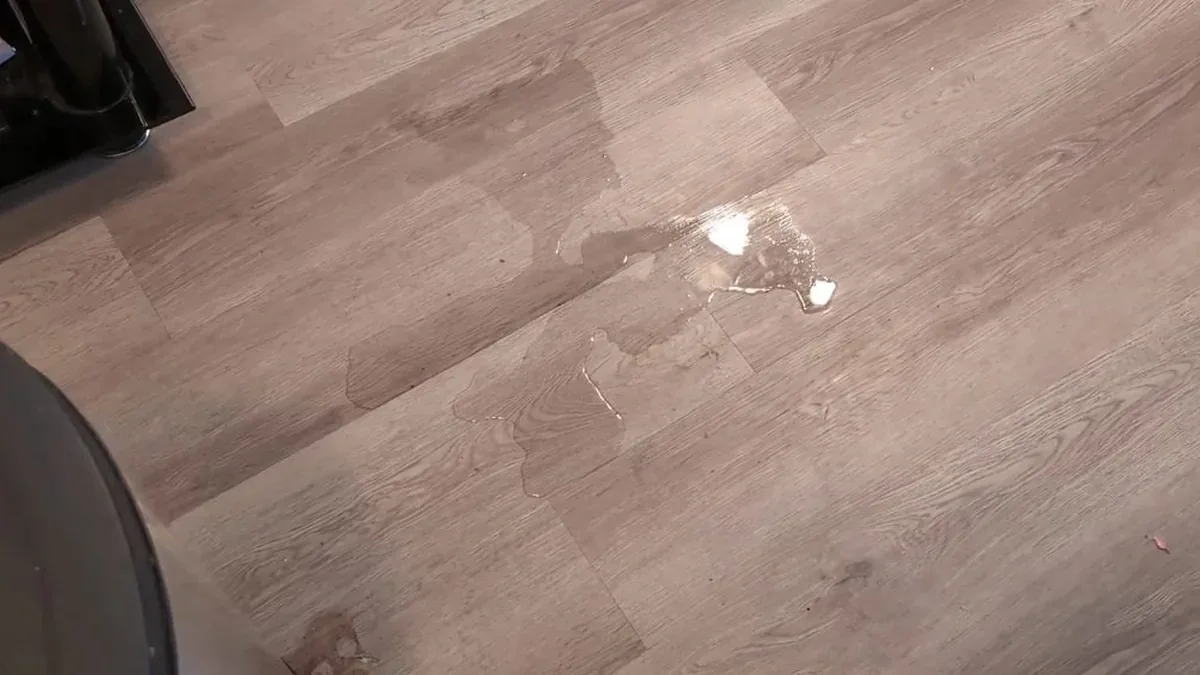
Water damage restoration is a race against the clock. Standing water soaks into drywall, carpet pad and subfloor within hours, and the EPA advises drying wet materials within 24 to 48 hours to keep mold from starting. Every hour before extraction begins makes the dry-out longer.
This service covers water removal, drying and mold testing. Call the water damage line first, stop the source if you safely can, and use the sections below to understand what each stage involves.
- Licensed and insured plumbers
- Same-day service when available
- 24/7 emergency dispatch
Water extraction and removal: the first hours
Extraction takes the bulk of the water out with pumps and wet vacuums before anything else, since the less water that remains, the less there is to dry. Water that has soaked carpet and pad is pulled out through the carpet and then the pad is lifted so the floor beneath can dry. Standing water on tile, wood or concrete is removed from the surface and from low spots, and wet furniture is lifted off the floor.
The EPA's guide to mold, moisture and your home advises drying water-damaged areas and items within 24 to 48 hours to prevent mold growth. The EPA treats that window as a guideline, so mold will not always follow, but it is the reason speed matters and the first call is worth making quickly.
Flooded basement, crawl space and whole-house water
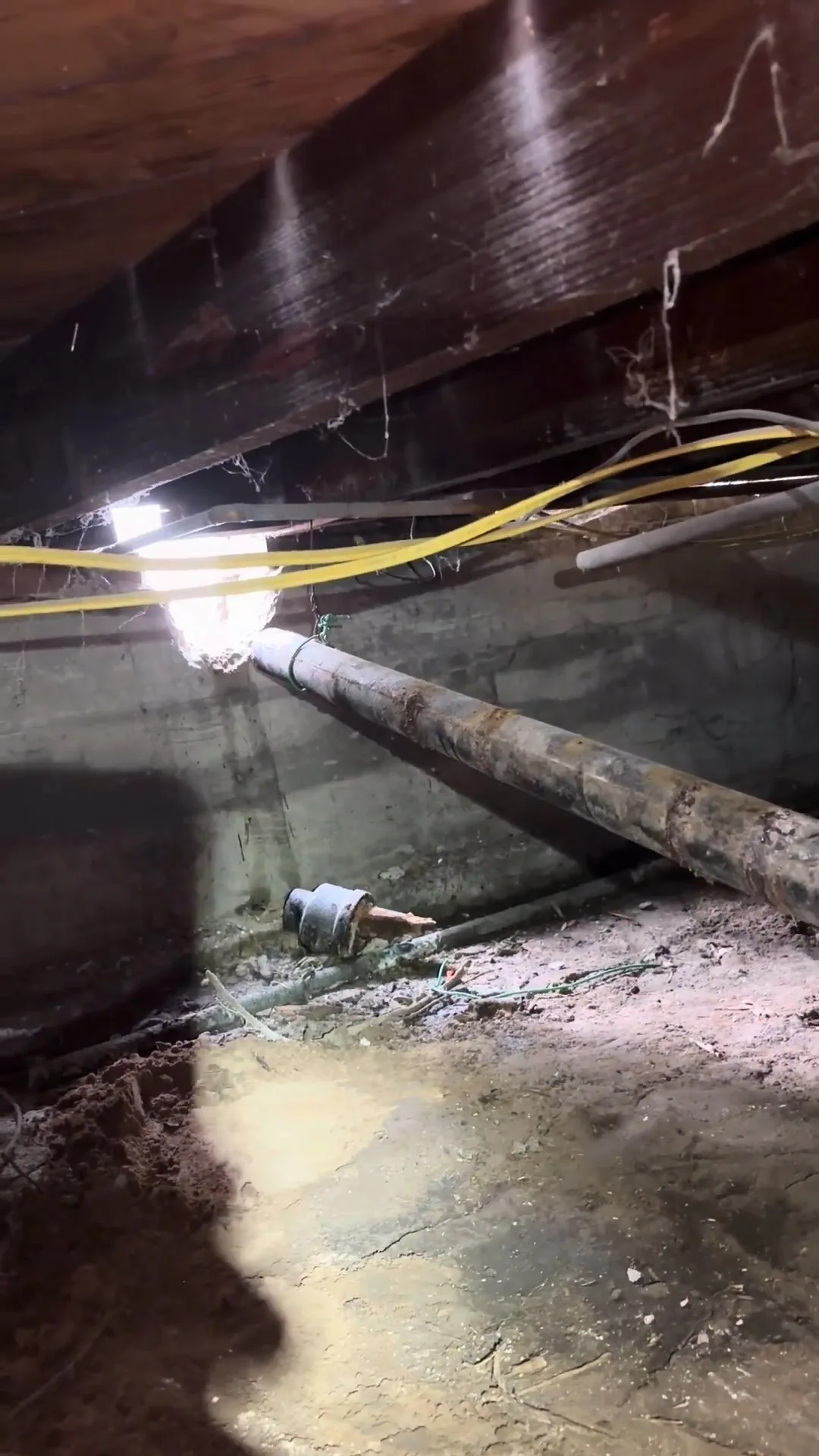
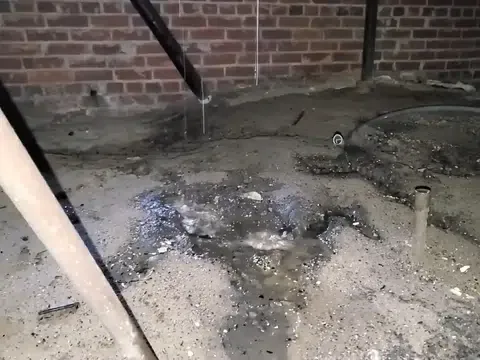
Water in a basement or crawl space is harder to deal with than a spill on a floor. It sits in hidden spaces, it soaks insulation and framing and it can carry soil and debris. A crawl space may need access cut and equipment placed in a tight, dark area before drying can begin. A whole-house flood, where water has reached several rooms, needs a plan that sets the order of rooms and the equipment for each.
- Find the source first. A burst pipe, a failed appliance supply, a rising groundwater table and a storm each call for a different response.
- Remove standing water in stages. Pumping too fast from a flooded basement can stress walls and floors, so the water level is lowered gradually.
- Open the hidden spaces. Wall cavities, crawl space insulation and the base of cabinets stay wet long after the floor looks dry.
- Track the drying. Moisture readings on drywall, wood and concrete show when a surface is dry, not how it looks.
Basement waterproofing, foundation repair and exterior drainage are other trades. A visit identifies where the water came from, and when the source is outside the plumbing, the plumber tells you and points you to the right specialist for that work.
Water in the house right now?
Call the water damage line now, tell dispatch where the water is and whether the main is off, and get help on the way.
Sewage backup cleanup
Sewage water is a different problem from clean water. It carries bacteria and other contaminants, and the EPA says damage from sewage or other contaminated water calls for a professional experienced in cleaning buildings damaged by that kind of water. Stay out of the affected area, keep children and pets away and do not run fixtures that drain into the backed-up line.
| Type of water | Examples | What changes in the response |
|---|---|---|
| Clean water | A supply line, a tub overflow or a rain leak that has just started | Extraction and drying, with the salvageable materials dried in place |
| Gray water | A washing machine or dishwasher overflow | Extraction, cleaning and removal of materials that cannot be cleaned |
| Sewage and flood water | A sewer backup or ground water entering the building | Porous materials such as carpet and pad are removed, and surfaces are cleaned and dried |
Once the water is out, the cause of the backup has to be found, and that is a plumbing job. If the backup came from a stoppage or a damaged line, see sewer lateral work for the line and hydro jetting and snaking for stoppages that have not yet reached the main.
Burst pipe and plumbing leak damage
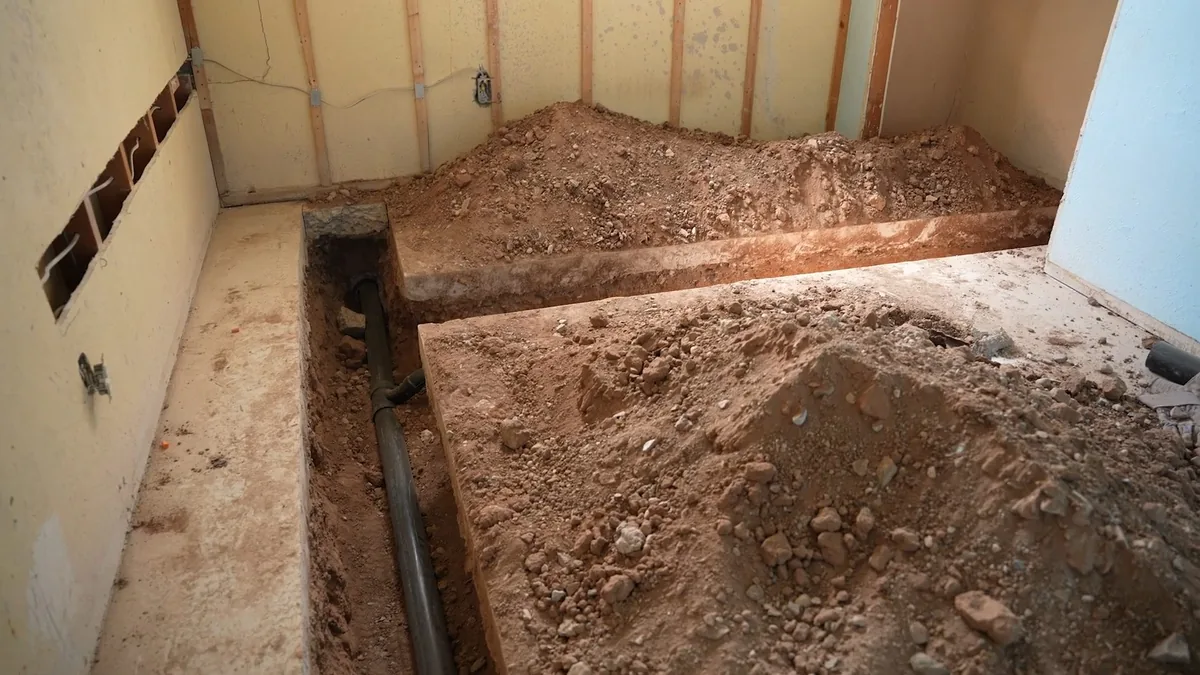
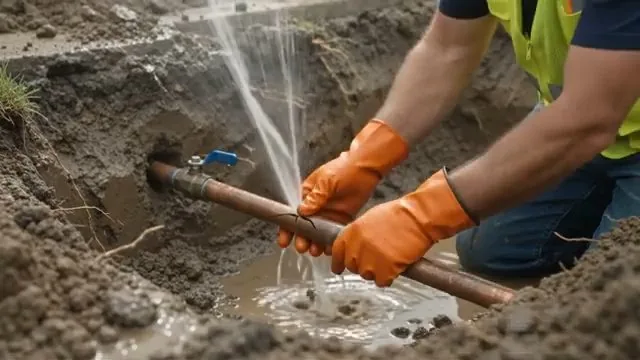
Plumbing is behind most of the water damage in a home. A pipe that bursts in a wall, a water heater that fails in a closet and a slab or supply line that leaks for weeks each leave a different pattern of damage. The restoration steps are similar, but the repair has to happen too, or the damage returns.
- A split pipe or fitting in a wall or ceiling: failing pipe repair covers the repair.
- A hidden leak that has run for days or weeks: tracking down a leak locates it before more walls are opened.
- A leak in the concrete under the floor: a leak under the slab explains the options.
- A water heater tank that has failed: tank heater repairs covers what can be repaired, and a failed tank is replaced.
- A leak in the yard or at the meter: service line repair covers the line to the house.
Not all water comes from the plumbing. A roof leak, an air conditioner condensate line or a broken irrigation line can soak a ceiling or a wall the same way, and the dry-out is the same. When the source is not plumbing, the plumber says so and points you to the right trade for that repair.
Coordinating the repair and the dry-out saves time. A pipe that is fixed while the walls are open means they only need to be opened once.
Pipe burst or sewage backing up?
Call the water damage line now and reach dispatch for water removal and drying.
What happens on a job, step by step
Every job follows the same order, though the time each step takes varies with the size of the loss. The plumber first finds and stops the source, then maps where the water has gone before any equipment is set. Starting to dry before the source is fixed only waters the building again.
- Stop the source of the water and make the area safe to enter.
- Inspect, photograph and map the wet areas, including hidden cavities.
- Extract standing water and remove materials that cannot be saved.
- Set air movers and dehumidifiers and open wall cavities where needed.
- Check moisture readings each visit and adjust the equipment.
- Confirm dry readings, remove the equipment and give you a record of what was found.
A clear record at the end matters to insurers and to you. It shows what was wet, what was removed and what the readings were when the equipment left.
How drying works: equipment, flooring and walls
Drying uses air movement and dehumidification together. Air movers push dry air across wet surfaces, and dehumidifiers pull the moisture out of the air so that more moisture can leave the materials. Moisture meters and thermal imaging tell the plumber where water has traveled, and readings are repeated over several days until the structure reaches a dry standard.
| Material | Usual outcome | Why |
|---|---|---|
| Carpet and pad | Pad is removed, carpet is dried or replaced | Pad holds water and rarely dries in place |
| Drywall | Cut out if saturated or contaminated, dried if only damp | Wet drywall loses strength and supports mold |
| Hardwood and laminate | Dried when caught early, removed when cupped or buckled | Wood swells as it absorbs water |
| Tile and concrete | Surface dried, subfloor and adhesive checked | Water goes through grout and under tile |
| Insulation | Removed when saturated | It holds water and does not dry well |
| Cabinets and trim | Dried, or removed at the base when swollen | Particle board swells and does not recover |
New drywall, paint and flooring after the dry-out are rebuilding work, which is a separate trade. Smoke and soot cleanup is also a different trade, and a fire restoration specialist is the right call for that.
Mold testing and mold removal
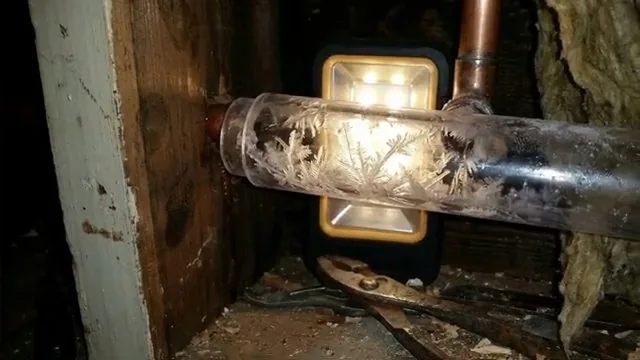
Mold needs moisture, and it can start where materials stay wet longer than a day or two. When mold is suspected, testing shows where it is and how far it has spread, and the result guides what is removed. Testing is part of this service. A musty smell, a stain that returns after cleaning or a wall that stays damp are reasons to ask for it.
Small areas can be cleaned by a homeowner, though the EPA guide says that when mold covers more than 10 square feet, the EPA's remediation guidance for larger jobs applies. Mold removal here means taking out wet or mold-affected materials such as drywall, insulation and carpet pad, and cleaning and drying what remains. Porous materials with mold growing in them are usually discarded, since mold gets into them.
- Containment keeps spores from spreading to clean rooms during removal.
- Affected porous materials are removed and bagged.
- Hard surfaces are scrubbed and dried.
- Drying continues until moisture readings are back in the normal range.
Storm, rain and groundwater: what has happened in Claremont
Water damage here has more than one source. The Claremont Courier reported that a run of atmospheric river storms in December 2025 and January 2026 dropped nearly half a foot of rain, with more than 3 inches on New Year's Day, in its report on the week of near-record rain. Rain that finds a way into a garage, a laundry room or a crawl space puts the same demands on drying as a pipe leak.
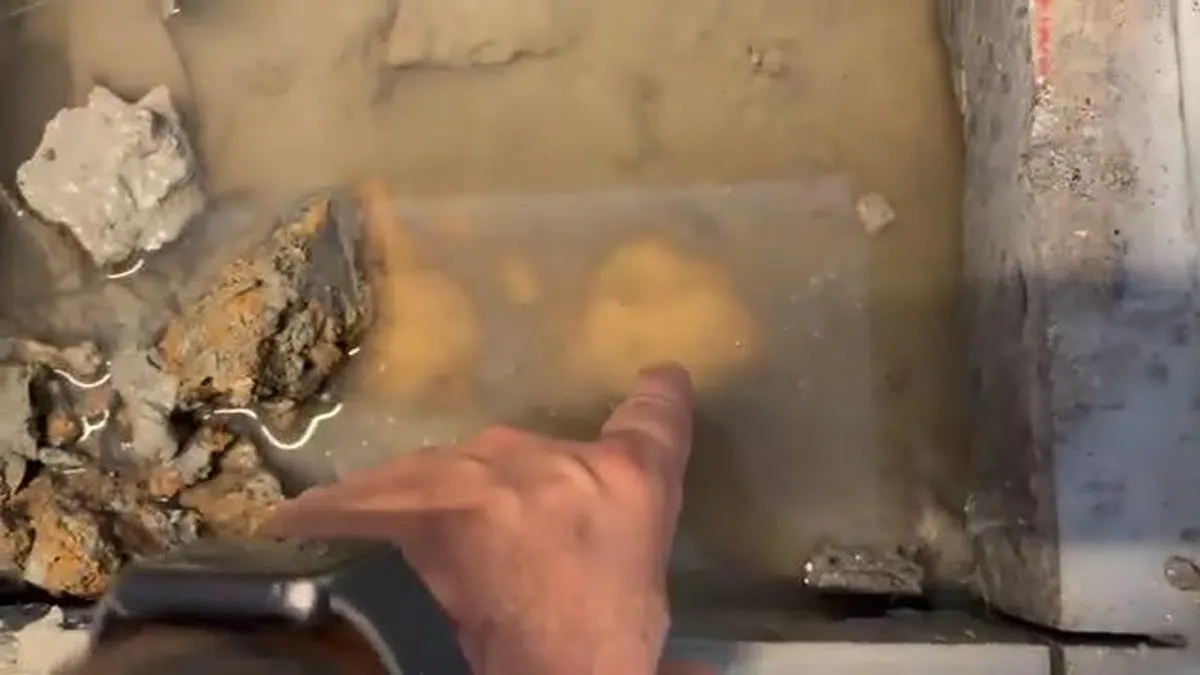
Groundwater is another source. Groundwater began rising inside houses in Stone Canyon in April 2023, a neighborhood that overlaps Claremont and La Verne, and the Claremont Courier reported that the city's Building and Engineering divisions responded. Water that rises from below leaves a different pattern than water from a pipe, and the first step is to find where it is coming from.
Floodwater from storm runoff, a river or heavy rain is its own category. It brings mud and contaminants, so porous materials it has touched are treated like sewage damage, and the building needs to be dried and cleaned in that order.
Condominiums, apartments and commercial buildings add a layer. Water from a unit above can travel through ceilings and walls to several units, and the building owner or association, the insurer and the other tenants all have a stake. Commercial spaces are also covered on the plumbing for restaurants and shops page for the plumbing side.
Damage assessment, major loss and insurance documentation
A damage assessment maps the affected rooms, the type of water and the materials involved, so the plan matches the loss. Major losses, where several rooms or floors are affected, are broken into phases: stop the source, remove water, remove materials that cannot be saved, then dry. A written record of what was found and removed helps with any claim.
- Contact your insurer promptly and ask what they require.
- Photograph and video the damage before cleanup.
- Keep damaged items until your adjuster has seen them, unless they are unsafe.
- Keep receipts for emergency work and temporary housing.
- Ask for the moisture readings and the list of removed materials when the job is done.
Common questions about water damage
How fast should I call?
As soon as water is found. The EPA advises drying wet materials within 24 to 48 hours to prevent mold growth, so the earlier the call, the more can be saved.
How long does drying take?
Drying usually takes several days, depending on how much water there was and what it soaked into. Moisture readings decide when it is done.
Do you rebuild after the dry-out?
No. The service ends with water removal and drying. Rebuilding drywall, paint and flooring is a separate trade.
Is sewage water treated differently?
Yes. Sewage and other contaminated water calls for a professional with experience in that cleanup, and porous materials touched by it are generally removed.
Can I stay in the house?
That turns on the affected rooms, the type of water and whether mold is present. Dispatch and the on-site plumber advise you once they have seen it.
Water damage in Claremont?
Call the water damage line now and reach dispatch for a licensed and insured plumber serving your area.
- Licensed and insured plumbers
- Same-day service when available
- 24/7 emergency dispatch