24/7 Emergency Line Open
Claremont, CA · Water treatment
Claremont Water Softener, Reverse Osmosis and Whole-House Filtration
White crust on a showerhead, spotted glasses out of the dishwasher and a water heater that rumbles are the usual signs of hard water. Scale is the mineral left behind when hard water evaporates or heats, and it builds on fixtures, in pipes and inside appliances.
Treating it starts with knowing how hard your water is and what you want from the fix: soft water for the whole house, better drinking water at one tap or both. The sections below set out each option and what the work involves.
- Licensed and insured plumbers
- Same-day service when available
- 24/7 emergency dispatch
Hard water in Claremont: what the utility report shows
Claremont water comes from the Claremont system of Golden State Water Company. In its 2026 water quality report, the system lists average hardness of roughly 190 mg/L, a little over 11 grains per gallon, with readings across the system between 97 and 330 mg/L. It also lists total dissolved solids at about 320 mg/L. Water at those levels is generally called hard, and it leaves scale wherever it is heated or evaporates.
| Report figure | Plain meaning | Where you see it |
|---|---|---|
| Hardness near 190 mg/L (about 11 grains) | Hard water | Scale on faucets, showerheads and glass |
| Hardness range from 97 to 330 mg/L | The level changes with the source blend | A softener setting that fits one month may need a check later |
| Total dissolved solids near 320 mg/L | Dissolved minerals in total | Spotting on dishes and a mineral taste for some people |
Because the number moves, a home test at your own tap is more useful than the average. The plumber can test the hardness at the kitchen sink and at the water heater, and the result sets the size of any softener. Scale also affects heating equipment: a tank heater collects sediment, which the fixing a water heater page explains, and a tankless unit scales its narrow channels.
Water softeners: how they work and what installation needs
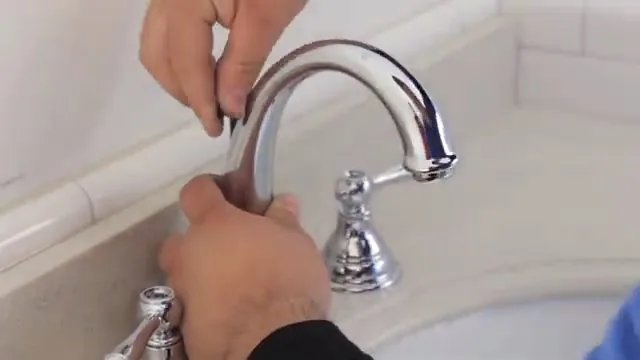
A softener swaps hardness minerals, calcium and magnesium, for sodium or potassium as water passes through a bed of resin beads. When the beads are full, the unit regenerates by flushing them with brine from the salt tank and sending the rinse to the drain. That cycle needs a drain, an electrical outlet and a spot with space for the resin tank and the brine tank.
What a softener installation needs
- Sizing. A softener is sized from the hardness and the daily water use, so a larger household or harder water needs more capacity.
- Location. The unit sits where the main line enters the house, ahead of the water heater, with a bypass so the house can run when it is serviced.
- Outdoor taps. A bypass or a separate line keeps softened water away from irrigation and hose bibs.
- Drain and power. The regeneration drain must meet code, and the unit needs an outlet.
- Salt. Blocks or pellets are added to the brine tank every few weeks, and the plumber shows you what level to keep.
Hard water wearing on the house?
Call dispatch and describe the scale, the spotting or the heater noise. A plumber serving your area can plan a test and a fix.
Softener repair and service
Softeners wear out in ordinary ways. The brine tank can form a salt bridge, a hard crust that leaves water in the tank and no brine to regenerate with. The resin beads lose their capacity with age. A control valve can stop cycling, and a drain line can clog. The signs are a return of scale, salty or hard water and a unit that has stopped making its regeneration noise.
| What you notice | Likely cause | What the plumber does |
|---|---|---|
| Water is hard again | Out of salt, a salt bridge or a stalled valve | Clear the bridge, check the valve and refill the brine |
| Salt level never drops | A salt bridge or a failed brine draw | Break the bridge and clean the brine well |
| Water tastes salty | A rinse or brine draw problem | Check the valve and the drain flow |
| Leak at the unit | A failed fitting, valve or drain connection | Repair the fitting or replace the valve |
| No regeneration | A failed controller or no power | Test the head and replace the part |
A softener that is old, undersized or uses a failing valve may cost more to repair than to replace, and the plumber tells you which it is.
Reverse osmosis and under-sink drinking water filters
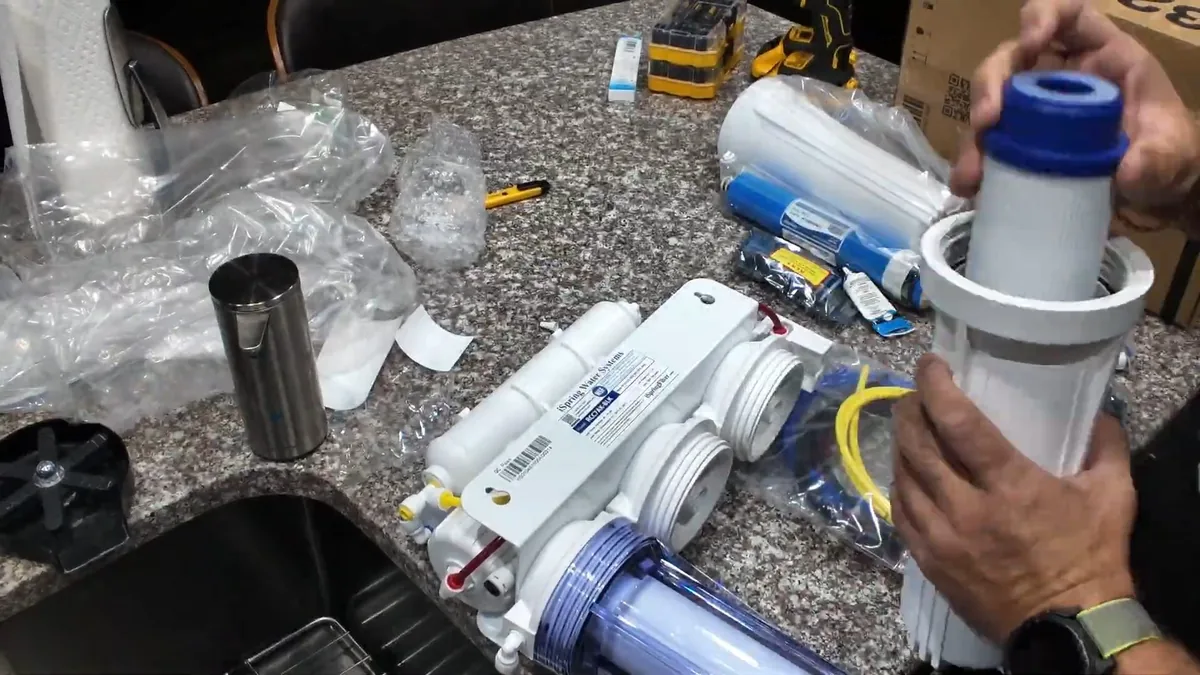
A softener makes water gentler on plumbing, but it does not turn it into purified drinking water. A reverse osmosis system, installed under the kitchen sink with its own faucet, pushes water through a membrane that removes dissolved solids. It stores filtered water in a small tank, and the filters need changing on a schedule.
- Reverse osmosis. Removes many dissolved solids and gives the cleanest drinking water, at the cost of wastewater sent to the drain and a slower fill.
- Under-sink carbon filter. Reduces taste and odor and some contaminants, with no wastewater and a smaller footprint.
- Refrigerator and ice maker line. Many systems can supply the refrigerator, and the plumber adds the line.
The plumber picks a system to match what you want from the water, not what is in the box. Cartridge and membrane changes are routine, and a plumber can set a schedule and teach you how to change them.
Thinking about a softener or filter?
Call now and reach dispatch for a plumber serving your area. Same-day service is offered when available.
Whole-house filtration and general water treatment
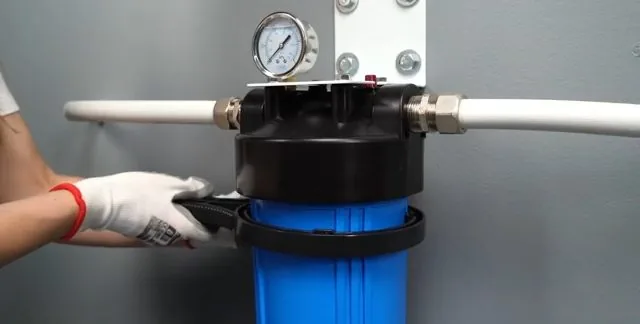
A whole-house filter treats all the water at the point where the main line enters the home. A sediment filter catches sand and rust, and a carbon filter reduces chlorine taste and odor. Some homes combine a filter with a softener, with the filter ahead of the softener so the resin is protected.
Water treatment is only worth doing for a reason you can name. Testing first shows whether the issue is hardness, sediment, taste or something else, and the plumber recommends equipment to address that. Not every house needs a softener, and a household that cares most about drinking water may do better with an under-sink system.
Heating equipment is the other consideration. If a tankless unit is on the way or already in the house, softened water can slow the scale that shortens its life, and the a tankless unit page covers the flushing the unit still needs.
Common questions about softeners and filters
How hard is Claremont water?
The utility's 2026 report shows an average close to 190 mg/L, with readings between 97 and 330 mg/L. A test at your tap gives your own figure.
Does a softener make water safe to drink?
A softener treats hardness. A drinking-water filter or a reverse osmosis system treats what you drink, and many homes use both.
How often is salt added?
Usually every few weeks, depending on the size of the unit and how much water the house uses. The plumber shows you the level to maintain.
Will a softener fix scale in my water heater?
It slows new scale, but it does not remove what has already built up. A flush of the heater handles the buildup.
Do I need a permit for a softener?
Requirements depend on the work. Plumbing is on the city permit list, so ask the Building Division about yours.
Water treatment in Claremont?
Call now and reach dispatch for a licensed and insured plumber serving your area. Same-day service is offered when available.
- Licensed and insured plumbers
- Same-day service when available
- 24/7 emergency dispatch