24/7 Emergency Line Open
Claremont, CA · Fixture repair
Claremont Faucet, Toilet and Fixture Repair for Drips, Runs and Leaks
A toilet that runs all night, a faucet that drips on the same spot of the sink and a shower that sprays sideways are small problems with a long reach. Water and money leave quietly, and the parts that cause them cost little next to what they waste.
Most fixture trouble comes down to a worn seal, a cartridge, a valve or a supply line. A plumber sorts out which one by looking and testing, then repairs it when the fixture is sound or replaces it when it is not.
- Licensed and insured plumbers
- Same-day service when available
- 24/7 emergency dispatch
Toilet repair: running, weak flush, leaks and clogs
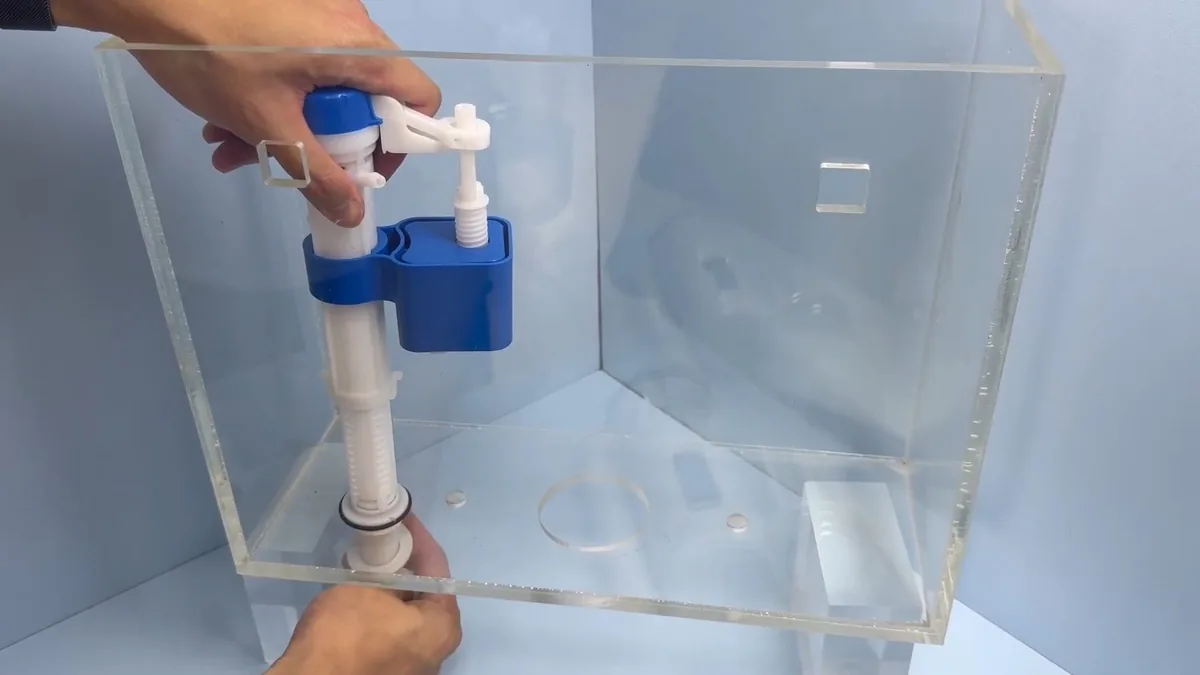
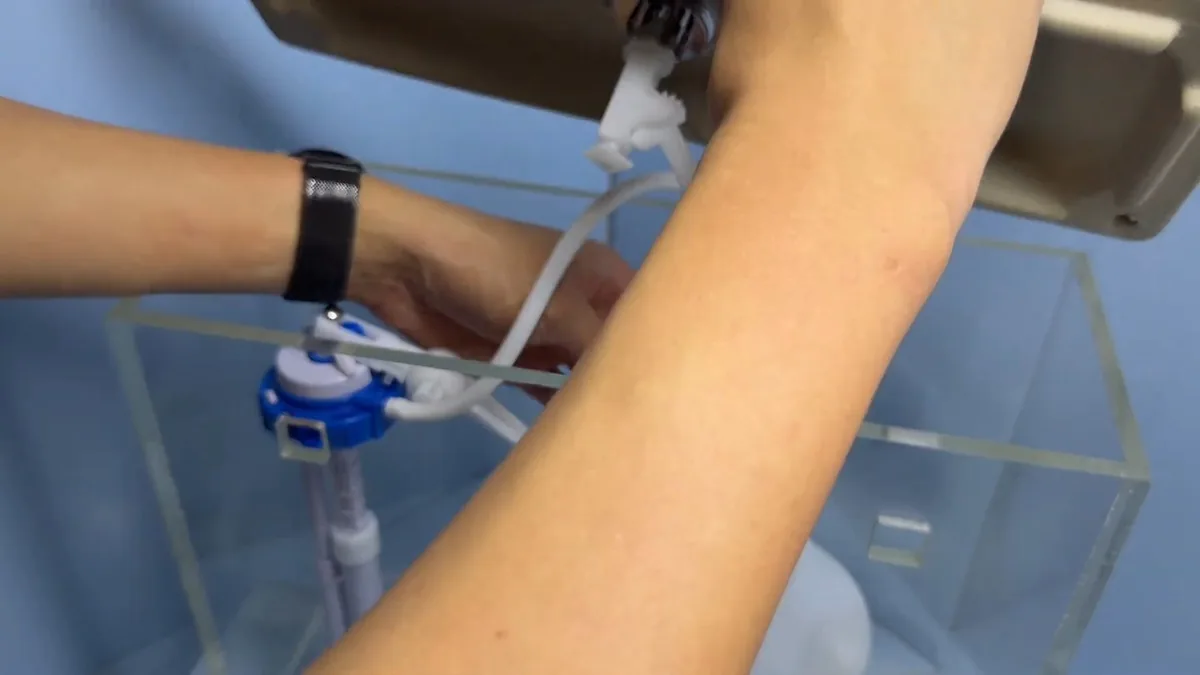
A toilet has few moving parts, and each one fails in its own way. A flapper that no longer seals lets water trickle from the tank into the bowl, so the fill valve keeps topping it up. A fill valve that sticks overfills the tank into the overflow tube. A worn wax ring or loose bolts let water seep out at the base, and the stain on the floor is often the first sign.
| Symptom | Usual cause | Typical repair |
|---|---|---|
| Runs on and off by itself | Worn flapper or a chain that is too tight | Replace the flapper and set the chain |
| Tank refills slowly or noisily | Fill valve worn or clogged with grit | Replace the fill valve |
| Weak or partial flush | Low water level, clogged rim jets or a partial clog | Adjust the level and clean the jets |
| Water around the base | Failed wax ring or loose closet bolts | Reset the toilet on a new seal |
| Bowl will not clear | A clog in the trap or the drain beyond it | Plunge or auger, then check the drain |
A toilet that clogs again and again, or backs up other fixtures in the house, may have a problem in the drain line and not in the bowl. The drain repair page explains how the plumber tells the two apart. A clog that clears with a plunger once is a bowl problem, and one that returns every week is not.
Faucet repair and the kitchen sink
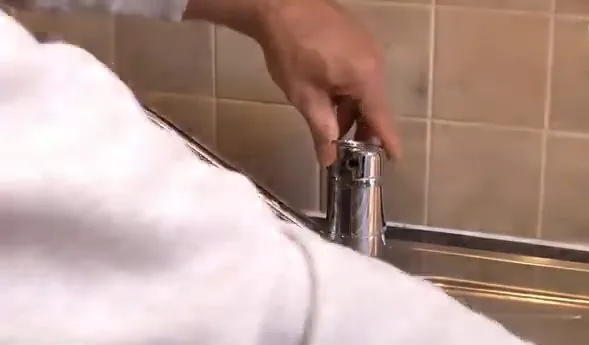
Most drips start in the cartridge, the washer or the seat that closes the water flow. A single-handle faucet uses a cartridge, which is replaced as one part. An older two-handle faucet uses washers and seats that wear and score. Corrosion around the base or under the sink points to a leaking supply line or a failed connection, and the damage can spread into the cabinet before anyone sees it.
- Dripping spout. A worn cartridge, washer or seat. The fix is a part swap when the faucet body is in good shape.
- Low flow at one faucet. A clogged aerator or a partly closed supply valve. Cleaning the aerator is a quick check before anything else.
- Loose or wobbly handle. A set screw or a worn handle adapter. Usually a short repair.
- Leak under the sink. A failed supply line, a loose compression nut or a worn drain connection.
- Spray hose that leaks or sticks. A worn hose or diverter, common on kitchen faucets.
The kitchen sink also carries the disposal and often the dishwasher. If the trouble is a jam or a hum under the sink, see the a garbage disposal page, since those parts follow their own rules.
Fixture leaking or running?
Call dispatch and describe the toilet, faucet or valve and what the water is doing. A plumber serving your area picks it up from there.
Bathtub, shower valve, showerhead and the bathroom sink
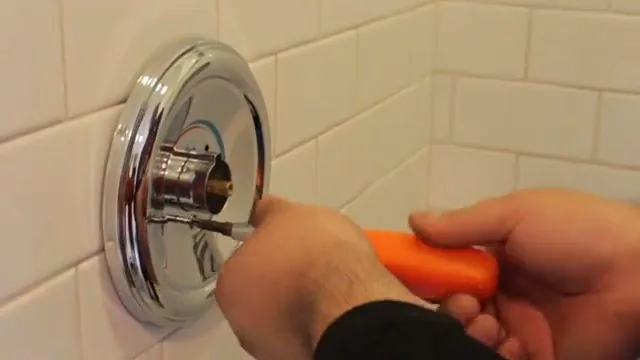
A tub or shower has two kinds of leaks: the ones at the visible fittings and the ones inside the wall. A dripping showerhead or a spout that will not stop points to a worn cartridge in the valve. Water that stains a ceiling below a bathroom, or a wall that feels soft near the tub, may be a leak behind the fixture or in the tile, and that is a case for opening the wall carefully.
A shower valve is a cartridge behind the handle. Replacing it normally starts at the front, but some valves need an access panel behind the wall. A tub that drains slowly or gurgles is a drain issue, not a valve one. Bathroom sinks and vanities add their own failure points: pop-up stoppers that stick, P-trap joints that weep, and faucets that mount loosely to a worn countertop.
Common tub and shower repairs
- Tub spout drips or the diverter does not hold. The plumber replaces the diverter or spout.
- Showerhead sprays unevenly. Scale clogs the nozzles, and cleaning or replacing the head fixes it.
- Shower valve handle stiff or leaking. A new cartridge or trim kit restores it.
- Vanity drain leaks under the sink. Tightening or replacing the trap joint and washers stops it.
Toilet and faucet installation, replacement and remodel rough-in
Replacing a fixture is a good time to choose one that suits the house. A new toilet should fit the rough-in distance from the wall to the drain, and the plumber measures that before you buy. A new faucet has to match the number of holes in the sink or the counter, and supply lines and valves are replaced with it. Old fixtures that are cracked, scaled or hard to find parts for are usually better replaced than repaired. Swaps like these double as small plumbing system upgrades, and energy-efficient plumbing upgrades such as low-flow fixtures cut water use without changing how the room works.
California law, in Civil Code section 1101.1 and the sections after it, calls for non-compliant plumbing fixtures to be replaced with water-conserving ones when a residential building has permitted work done. A fixture swap inside a remodel can therefore bring other fixtures into the job, and the plumber explains which ones.
Remodel rough-in
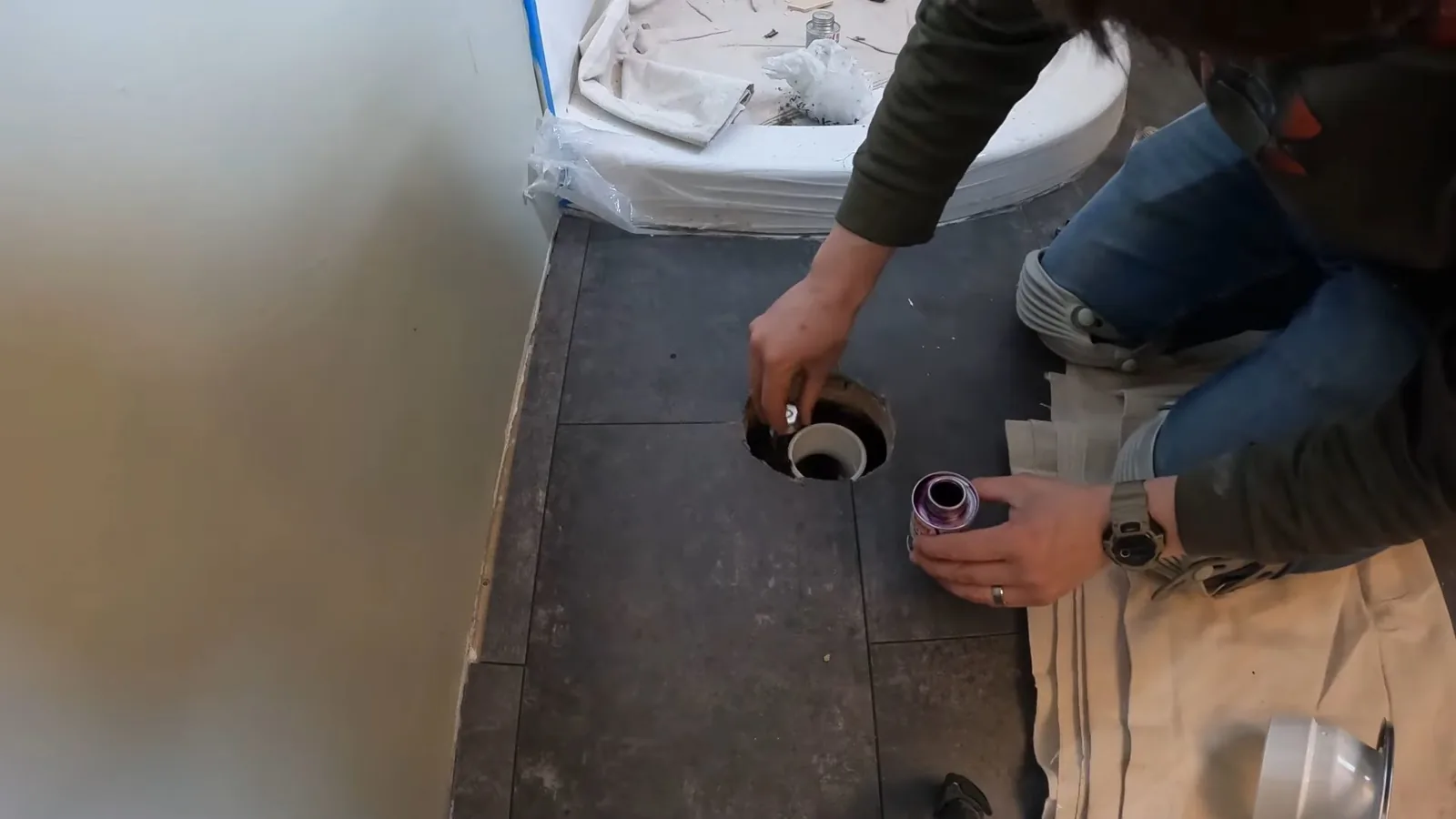
Remodel work asks for more. Moving a sink, adding a bathroom or relocating a toilet involves new supply and drain lines, a rough-in stage before the walls close and often a permit. The plumber sets valves and drains at the right heights and tests them before finish work starts. Smaller installs such as a bidet seat, an outdoor hose bib or hookups for a washing machine, dishwasher or ice maker follow the same pattern of connection, test and shutoff. Specialty jobs, including a tub-to-shower conversion, a toilet relocation, a dual-flush toilet, a wet bar, a laundry room or the plumbing for an ADU, are planned as rough-in work first.
Replacing a toilet or faucet?
Call now and reach dispatch for a plumber serving your area. Same-day service is offered when available.
Shutoff, supply and angle valves: the parts people forget
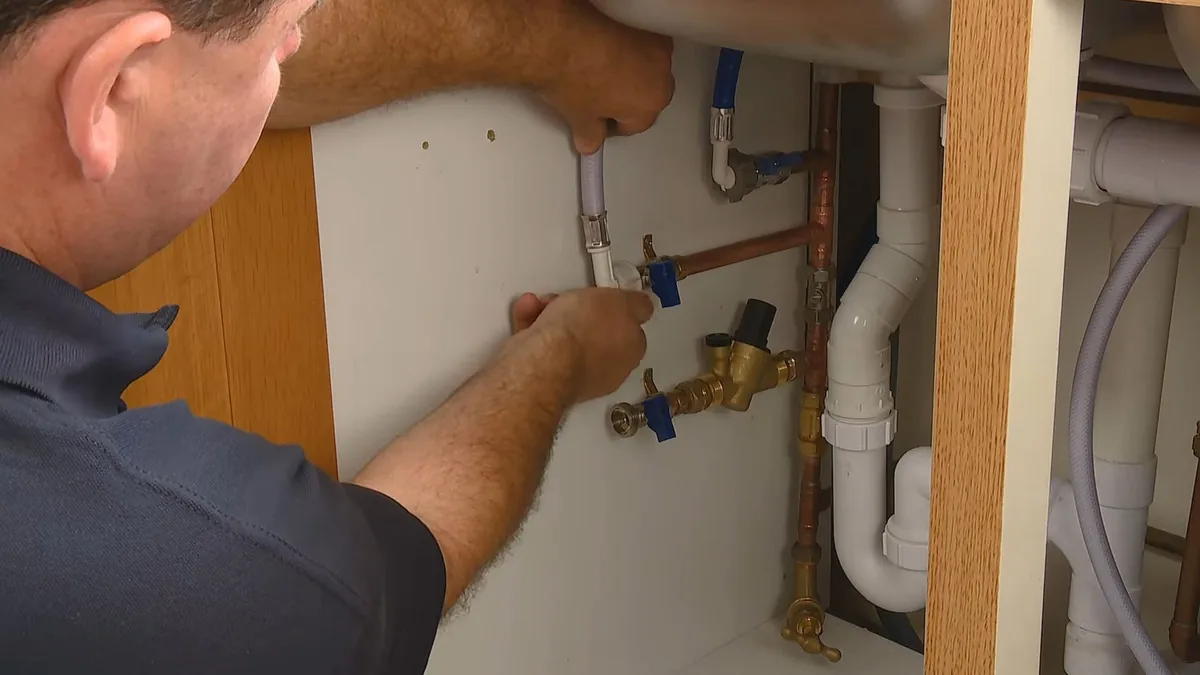
The small valve under a sink or behind a toilet is what lets you stop water to one fixture without shutting the house. These angle stops and supply valves age. Old ones seize when you try to close them, drip from the stem or break off when turned. A plumber replaces them with quarter-turn valves, and a new fixture is an ideal time to do it.
Valve habits worth keeping
- Try each fixture valve once a year so it does not seize.
- Replace any valve that is stiff, corroded or weeping at the stem.
- Swap rubber supply lines for braided stainless lines when the fixture is changed.
- Label the main shutoff so every adult in the house can find it.
A failed supply line is one of the more common causes of water damage inside a house. A line that bursts under a sink or behind a toilet can run for hours, and a slow weep that goes unseen can rot a cabinet. If the damage is already done, the next step is drying out the damage once the leak is stopped.
Common questions about fixture repair
Why does my toilet keep running?
A flapper that no longer seals or a fill valve that sticks is the usual cause. Both are inexpensive parts and a short job.
Should I repair or replace an old faucet?
A sound faucet with a worn cartridge is worth repairing. A faucet with corroded parts, a cracked body or no available cartridge is usually replaced.
Can I turn off water to just one fixture?
Yes, if the fixture has its own shutoff valve under the sink or behind the toilet. If the valve will not turn, say so when you call.
How do I know the rough-in size for a toilet?
Measure from the finished wall to the center of the floor drain bolts. The plumber checks it before a new toilet is chosen.
Is a permit needed for a fixture swap?
Swapping one fixture for the same type often needs none, while remodels with new lines usually do. Ask the Building Division about your project.
Fixture trouble in Claremont?
Call now and reach dispatch for a licensed and insured plumber serving your area. Same-day service is offered when available.
- Licensed and insured plumbers
- Same-day service when available
- 24/7 emergency dispatch