
24/7 Emergency Line Open
Claremont, CA · Leak detection and repair
Claremont Leak Detection and Repair for Leaks You Cannot See
The meter keeps turning after every faucet is off, or a ceiling stain is bigger than it was last week. Either way, water is escaping somewhere you cannot see. A plumber serving your area starts with the meter and listening tools so any opening in a wall or floor is small and aimed at the leak.
24/7 plumbing dispatch answers day and night. Call, say where the water shows up, and a plumber is lined up for your address, with same-day visits offered when available.
- Licensed and insured plumbers
- Same-day service when available
- 24/7 emergency dispatch
Is it a plumbing leak or is it rain?
Storm water and pipe water leave the same brown ring on a ceiling, and guessing wrong costs a repair visit. Atmospheric river storms around New Year 2026 delivered nearly six inches of rain to the Claremont area, and over three inches of it came on New Year's Day, the Claremont Courier reported. A stain that appeared after those storms and stops growing on dry days points to the roof, a window or the flashing.
A stain that keeps growing in dry weather, or a wall that stays damp, points to a pipe. The table lists what each pattern usually means and what the plumber checks first.
| What you notice | Likely source | First check |
|---|---|---|
| Ceiling stain that grows only after rain | Roof, window or flashing, not a pipe | Meter test; roofer if the meter is still |
| Stain or soft drywall that grows on dry days | Supply or drain pipe above the ceiling | Meter test, then listening and thermal scan |
| Warm spot on a floor or wall | Hot water line leaking nearby | Thermal scan along the hot line |
| Hissing or running water when nothing is on | Pressurized supply line | Listening gear at walls and valves |
| Water bill that jumps with no change in use | Toilet, hidden line or yard line | Meter and toilet dye test |
| Wet strip of lawn or soft soil near the house | Yard water line | Pressure test of the line between meter and house |
The meter test that proves whether water is leaking
You can run the first test yourself in a few minutes, and the result tells dispatch a great deal. Golden State Water supplies Claremont, and the meter on your property marks where the utility's side ends and your own plumbing begins.
- Stop all use. Close every faucet, pause the irrigation and switch off the ice maker. Make sure no one runs the washer or flushes.
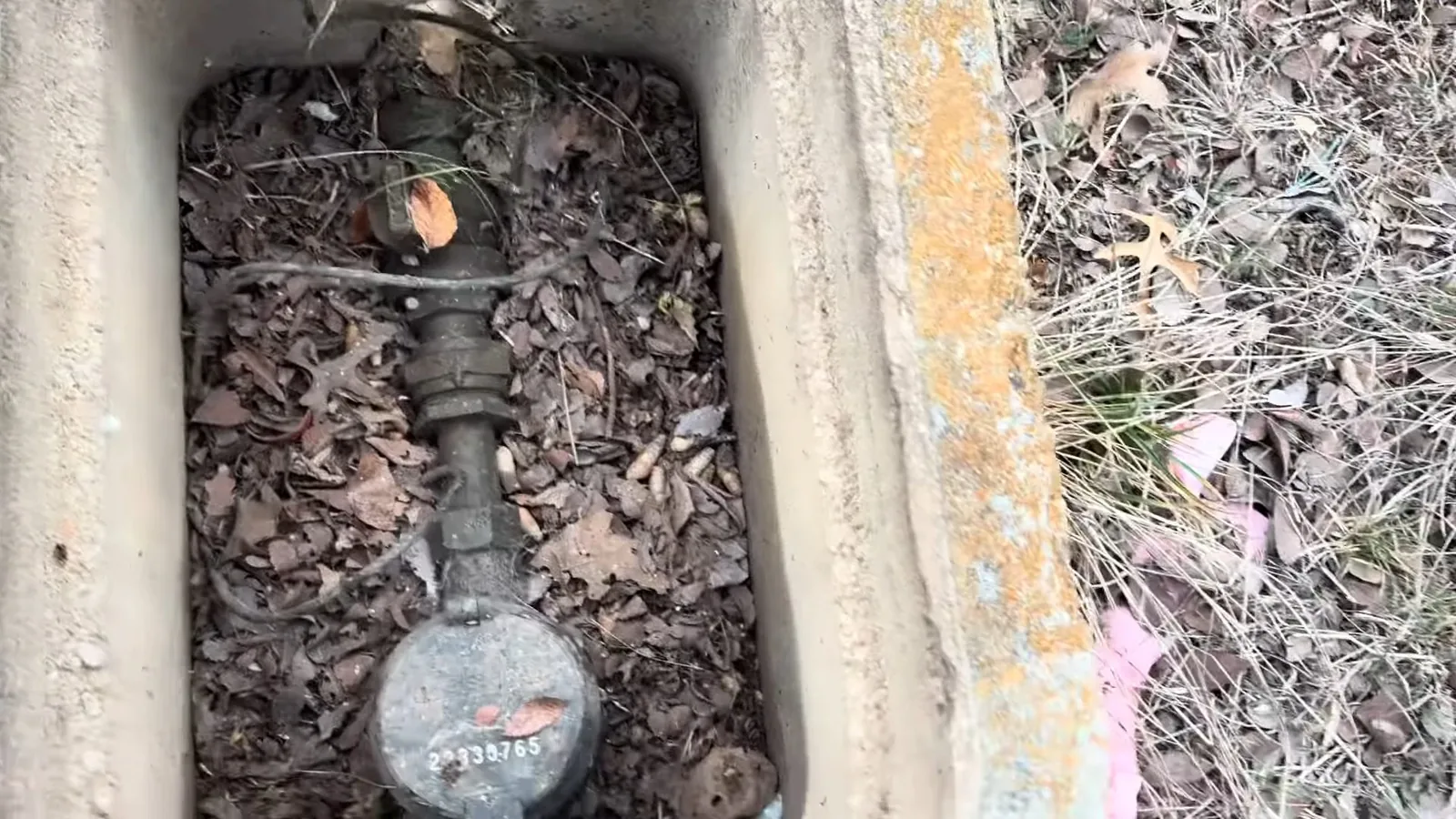
- Read the meter. Most sit in a box near the curb or the street side of the lot. Lift the lid and look for the small low-flow dial or triangle.
- Watch for motion. If the dial spins or the numbers advance after ten to fifteen minutes, water is passing the meter with nothing on. Note the reading and the time.
- Close the house valve and look again. If the meter stops, the leak is inside the house. If it keeps moving, the leak is between the meter and the house valve.
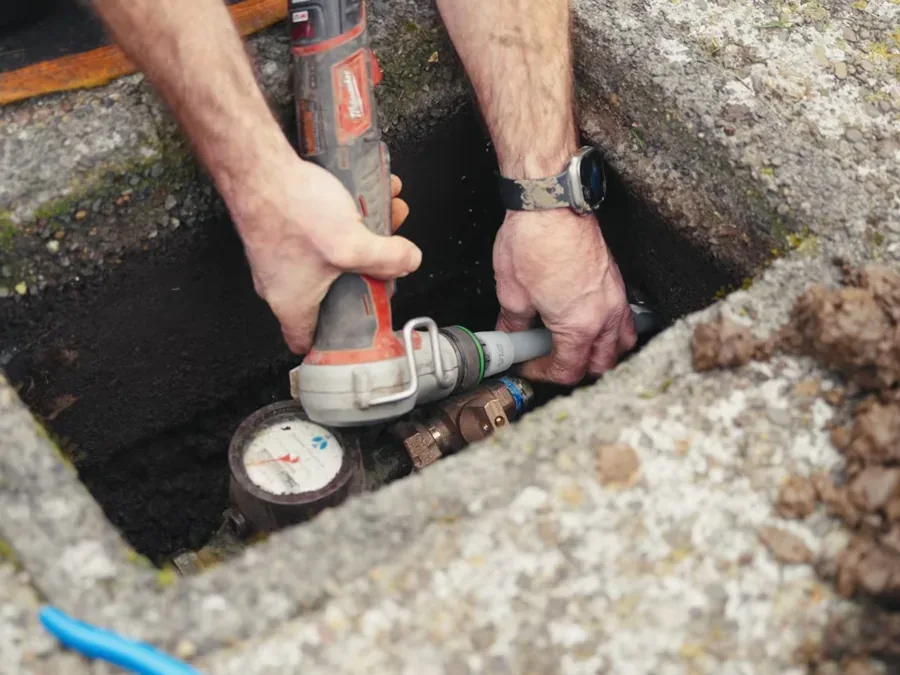
Meter still moving with everything off?
Call dispatch, give the reading you took and learn what to shut off while a plumber is lined up for your address.
How a plumber locates the leak before opening anything
Detection is a sequence, and each step narrows the search. Pressure and meter checks decide whether the leak is on the supply or the drain side. Listening and thermal tools then place it within a short stretch of pipe, so the repair starts with a small access cut instead of a demolished wall.
| Method | What it picks up | Where it fits |
|---|---|---|
| Pressure (hydrostatic) test | A pressure drop in an isolated section of supply pipe | Deciding which branch is leaking |
| Electronic acoustic listening | The sound of water escaping under pressure | Pipes in slabs, walls and yards |
| Thermal (infrared) imaging | Temperature differences from wet material or a hot line | Hot water leaks and wet wall cavities |
| Tracer gas, such as helium | Gas escaping through the pipe fault | Hard-to-pin leaks after other methods narrow the area |
| Moisture meter and camera | Damp framing and a view into small openings | Wall, ceiling and attic leaks |
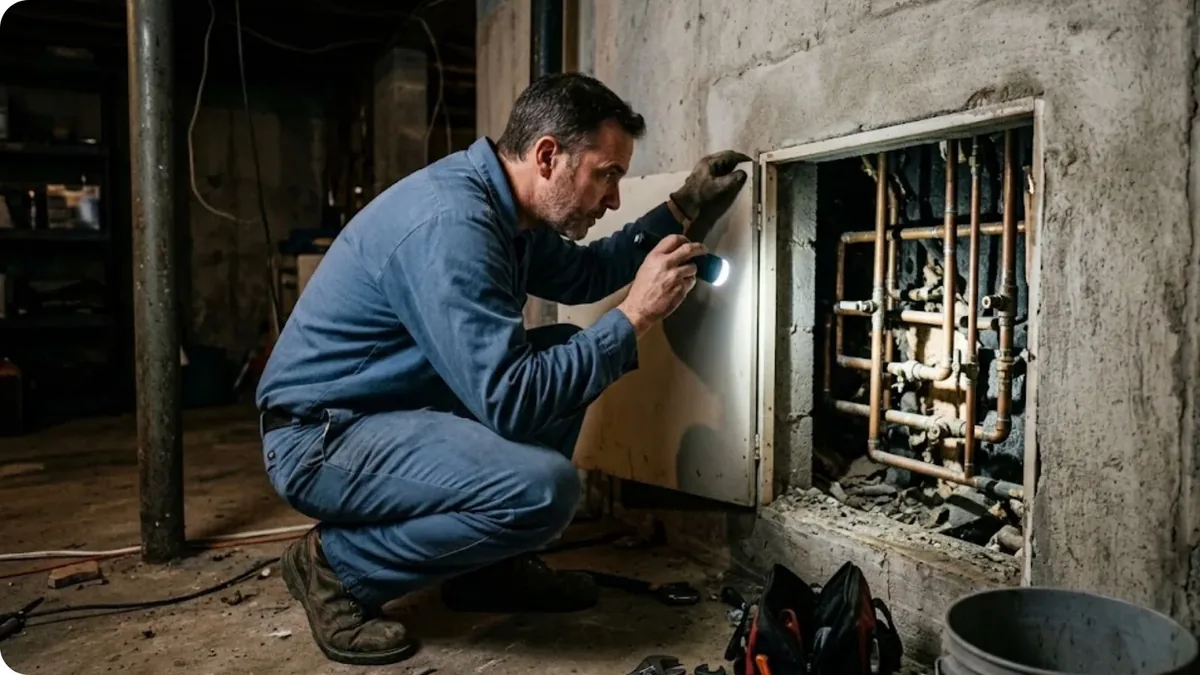
A leak visit also works as a check on the pipes themselves. With the water on, the plumber reads the house pressure at a hose bib, works the main shutoff and the fixture stops to see whether they turn and seal, and looks at exposed pipe for green copper corrosion, mineral crust or old patches. Any one of these can explain a leak that showed up this month and warn of the next one.
A leak under the floor, in the crawl space or in a basement is checked the same way, with the extra step of looking at the pipes from below. If the pipe turns out to run under a concrete slab, the work moves to slab leak repair, which has its own methods for reaching it.
Hidden and underground leaks: when the water never shows
Some leaks never stain a ceiling. The signs are indirect: pressure that has dropped at every tap, the sound of water running in a quiet house, or soft ground along the pipe route to the house. A typical Claremont home was built around 1966, according to census-based neighborhood data, so the pipes in many houses have decades of service behind them. Ask the plumber what material the leaking section is made of and whether the rest of the run looks the same.
When the leak is on the yard line between the meter and the house, repair means digging. California law requires a notice to DigAlert at least two working days before excavation, as the Contractors State License Board explains, so ask who places that call. The line itself is handled under water line repair.
Common signs of a leak you can check yourself
- A water meter that moves with every fixture off
- Drywall that feels soft, bubbles or shows a growing brown stain on dry days
- Musty smell or heavy humidity in a closet, cabinet or hallway, since humidity hides leaks that never drip
- Low pressure at several fixtures at once
- Warm patches on a floor, or a water heater that seems to run constantly
- Water sound from a wall, an attic or the crawl space when nothing is in use
- A utility bill that rises with no change in how many people live in the house
Two or more of these together make a leak likely. One of them alone often turns out to be a toilet.
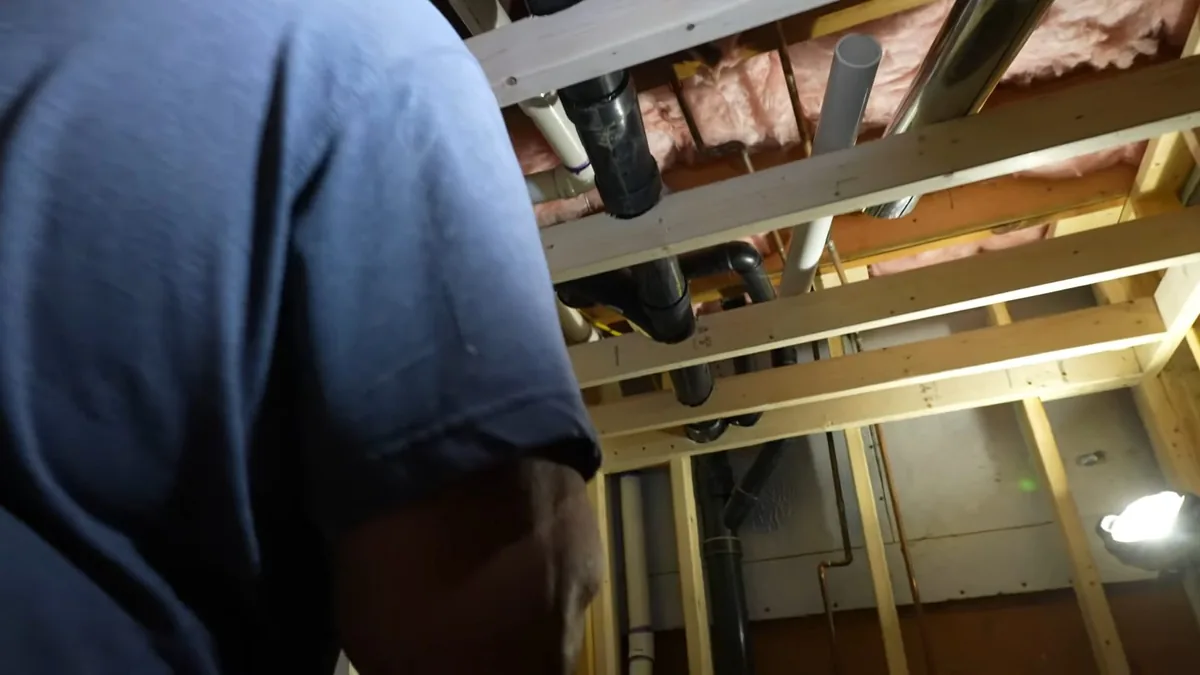
Found one of these signs?
Describe what you see to dispatch and get a plain answer on whether it needs a plumber now or can wait for a scheduled visit.
Toilet, faucet and shower leaks that mimic a pipe leak
A toilet that refills on its own can waste a surprising amount of water without any visible puddle, and it often explains a bill spike that sent a homeowner looking for a hidden pipe. A few drops of food coloring in the tank, with no flush for fifteen minutes, will show color in the bowl if the flapper is leaking. A faucet drip, a shower valve that weeps behind the wall and a supply line under a vanity can do the same. Appliance leaks start the same way, with a washer hose, dishwasher line or ice maker supply that weeps behind the unit.
These are repaired as fixture work, covered under faucet and toilet repair. Sprinkler and irrigation leaks are a separate trade, so once the meter test shows the house plumbing is not losing water, say so and a landscape or irrigation contractor is the right call.
What leak repair involves once the leak is found
Repair depends on what failed. A split fitting or a corroded section is cut out and replaced. A pinhole in one spot of an old run is a different story, because the next pinhole is rarely far away. When several sections show the same wear, the plumber will lay out the choice between patching again and repiping, with the openings each option needs.
Before the repair begins, ask who pulls any permit and who books the inspection. Permit questions go to the city's Building Division, reachable at (909) 399-5460.
Catching a small leak early keeps the repair small, because ignoring small leaks lets damage spread into framing, drywall and insulation. If the leak already soaked drywall, flooring or insulation, drying should start soon, and water damage restoration covers that part. Keep photos with dates and ask the plumber for a written note of where the leak was found, since an insurer may ask for both.
More detail on leak visits
What should I have ready before I call?
Know where the main shutoff is, any leak history in the house, what the meter showed when you tested it and where you first saw water or damp. Photos of stains help dispatch judge how urgent the visit is. If you rent, have the owner's or property manager's name, since they usually authorize the repair.
Does a high water bill always mean a leak?
No. Extra people in the house, a new irrigation schedule and a running toilet can each lift a bill. The meter test separates them: a meter that moves with everything off means water is escaping, while a meter that stops points to use rather than loss.
Can a leak be found without opening the wall?
Often the area can be narrowed a long way without any opening, using the meter, listening gear and a thermal scan. The plumber usually still needs a small access cut to see and fix the pipe, and the notes will say where it will go.
Does the water need to be shut off during the visit?
Usually for part of it. Isolating a branch for a pressure test and cutting out a bad section both need the supply closed, so expect the house to be without water for a stretch. Ask how long before the work begins.
What if the leak turns out to be under the slab or in the yard?
The plumber will say so after the tests, and the repair moves to the page that covers that kind of line. Nothing is lost, because the readings and locations from the first visit carry over.
Leak in Claremont?
Call now and reach dispatch for a licensed and insured plumber serving your area. Same-day service is offered when available.
- Licensed and insured plumbers
- Same-day service when available
- 24/7 emergency dispatch