
24/7 Emergency Line Open
Claremont, CA · Gas line work
Emergency Gas Line Repair and Installation in Claremont, from Leak Response to New Runs
If you smell gas, do not look for the leak yourself. Leave the house, then call from outside. The utility and the fire department respond to gas leaks first, and a plumber repairs the piping once the line has been made safe.
Outside that moment, gas work is a planned job: a new line for a range, dryer or outdoor grill, replacing old piping, or a repair after a pressure test shows a leak. The sections below cover both sides.
- Licensed and insured plumbers
- Same-day service when available
- 24/7 emergency dispatch
Gas leak: what to do first
The usual warning signs are the sulfur or rotten egg odor added to natural gas, a hissing sound near a pipe or appliance, dirt or water blowing into the air, or bubbles in standing water. Some people cannot smell the odor well, so a hiss or a damaged appliance connection is a reason to leave as well. The utility advises against trying to control a leak or repair a damaged pipe yourself.
After the utility has shut off or made the leak safe, the house piping and appliances must be checked before service is restored. That check is where a plumber comes in. The plumber finds the failed joint, connector or section, repairs it and pressure-tests the line so the utility can turn the gas back on. Do not turn the meter back on yourself.
Gas line repair: what fails and how it is fixed
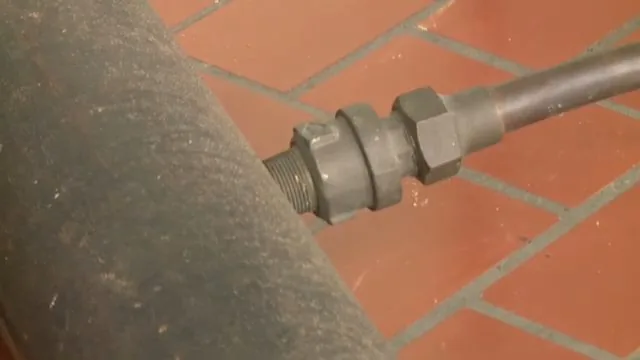
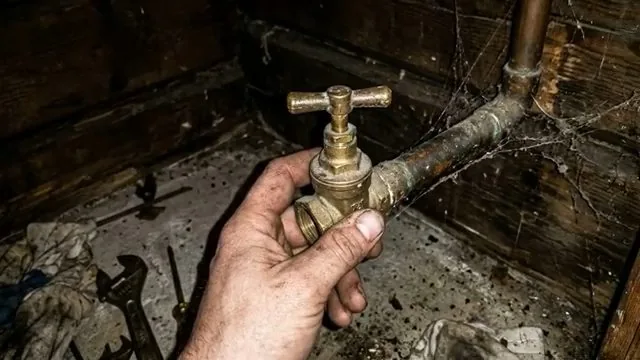
Most gas leaks inside a house are at joints, connectors and valves, not along the pipe wall. Threaded joints can loosen with age and vibration, flexible appliance connectors corrode or kink, and shutoff valves wear at their stems. A leak on buried piping can follow soil movement or corrosion and needs excavation to repair.
Where gas leaks start
| Location | Typical cause | Usual repair |
|---|---|---|
| Appliance flex connector | Age, kinking or corrosion | Replace the connector and test the joint |
| Shutoff valve | Worn stem or seat | Replace the valve |
| Threaded pipe joint | Loose or aged joint compound | Remake the joint or replace the section |
| Corroded black iron pipe | Moisture and age | Replace the corroded section |
| Buried or slab-embedded line | Corrosion or ground movement | Reroute above ground or excavate and replace |
The plumber leak-tests with a solution or an electronic detector, locates the failed spot and repairs it, then runs a pressure test on the section. If the gas was shut off, the utility restores service after the work passes. Some pipe, such as old galvanized or corroded steel, is replaced instead of patched, because a patch leaves aging pipe beside the repair.
Gas smell or a failed gas line?
Leave the house first, then call dispatch from outside. A plumber serving your area can follow once the utility has made the line safe.
Gas line installation: new runs for appliances
A new gas line starts with a load calculation. Each appliance has an input rating, and the pipe from the meter to that appliance has to be sized for the total of everything on the line and the length of the run. An undersized line is the most common reason a new range or tankless heater starves for fuel, which is why the plumber measures and calculates before cutting pipe.
Appliances that need a new line
- Kitchen range or cooktop. Moving from electric to gas needs a line to the kitchen, a shutoff and a connector rated for the appliance.
- Clothes dryer. A gas dryer needs its own shutoff and a vented path to the outside.
- Water heater or tankless unit. These draw a lot of gas, and a tankless unit often needs a larger line, as the replacing the tank page describes.
- Fireplace, outdoor kitchen, fire feature or grill. A gas log set, a built-in grill or a fire feature needs its own valve and a line sized for it, run above ground or buried and protected from damage.
- Standby generator. A whole-house generator draws a large volume of gas when it runs, and the meter and the line have to support it.
- Propane. Propane systems use different pressures and regulators, and the plumber confirms the fuel before sizing any pipe.
Choosing the pipe material
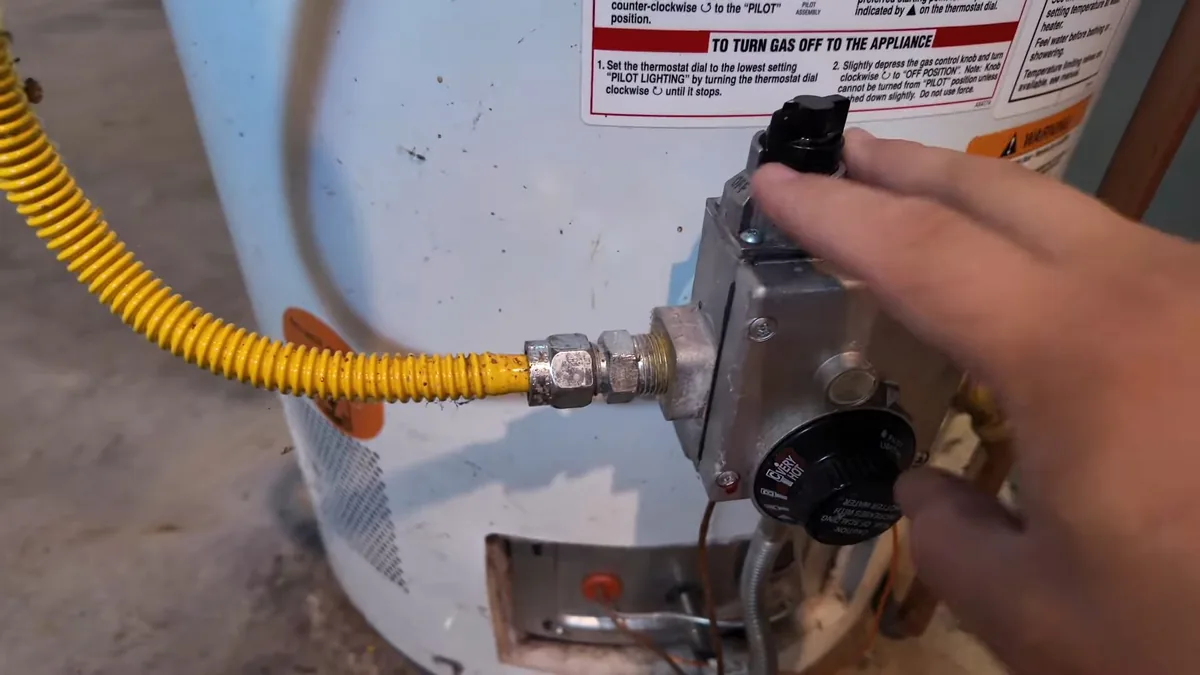
Pipe material depends on where it runs. Black iron steel is the long-established choice for interior and exposed runs, and corrugated stainless steel tubing, often called CSST, is flexible and fast to run inside walls when the code allows it. The plumber chooses between them for the layout and the local requirements.
Permit, inspection and pressure test
New gas piping is plumbing work, and the City of Claremont lists plumbing work among projects that need a permit. The Building Division at (909) 399-5460 can confirm what applies to your job, and the plumber tells you who files and who books the inspection. The inspector checks the piping, joints and shutoffs before the line is covered or the gas is turned on.
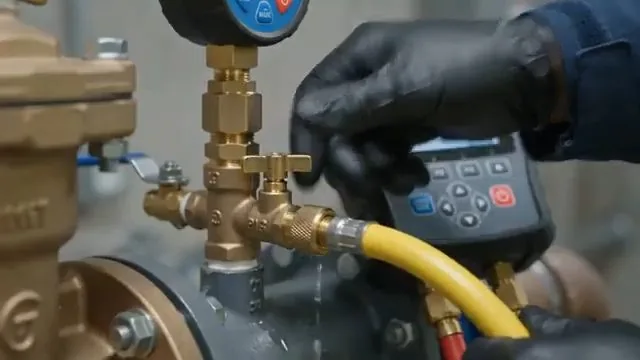
A pressure test is the proof that the new line holds. The plumber fills the piping with air or an inert test pressure above operating level, watches a gauge for a drop, and records the result. A line that holds is safe to connect, and a line that loses pressure is traced and repaired before the test is run again.
- Calculate the load and measure the run from the meter to each appliance.
- Obtain the permit and choose the pipe material.
- Run the pipe, install shutoffs and connectors, and support the line.
- Pressure test, then arrange the inspection.
- Turn on the gas and check each appliance for a steady flame.
Planning a new gas line?
Call now and reach dispatch for a plumber serving your area. Same-day service is offered when available.
Gas piping safety checks and who maintains what
The gas utility maintains the lines that carry gas up to the meter. The SoCalGas customer safety guide says the property owner is responsible for maintaining the gas lines after the meter, including the piping to each appliance. That makes the plumber, not the utility, the one who repairs, replaces or extends house piping.
Seismic shutoff valves and excess flow valves are devices that stop the gas when an earthquake or a break occurs. SoCalGas describes how those valves work in its emergency preparedness pages, and a plumber can advise on whether one suits your house. Gas piping near a water heater should also be checked when the heater is replaced, a point covered further under water heater installation.
Common questions about gas line work
Who do I call first for a gas smell?
Leave the house and call 911 and the gas utility from outside. A plumber repairs piping afterward, once the line has been made safe.
Can a plumber turn my gas back on?
The utility restores service at the meter. A plumber can repair and test the house piping so the utility can restart the gas.
Does a new range need a new gas line?
Not always. A house with a stub at the kitchen may only need a new connector and shutoff, and a house with no gas there needs a new run. The plumber checks the existing capacity first.
How is a gas line tested?
The plumber pressurizes the new or repaired piping and watches the gauge for a drop. The test is repeated until the line holds.
Is a permit required for gas piping?
The city lists plumbing work as permitted work. Confirm the details for your job with the Building Division.
Gas line work in Claremont?
Call now and reach dispatch for a licensed and insured plumber serving your area. Same-day service is offered when available.
- Licensed and insured plumbers
- Same-day service when available
- 24/7 emergency dispatch